

Articles
Get Psyched
How do you get psyched up for a big lift? Is there any science behind your method? What are the best ways to get psyched for a lift? Let’s check it out.

How do you get psyched up for a big lift? Is there any science behind your method? What are the best ways to get psyched for a lift? Let’s check it out.

CNS fatigue is kind of a hot topic in the fitness industry. Some will argue its existence whereas others will misuse the term entirely. What does the science say?
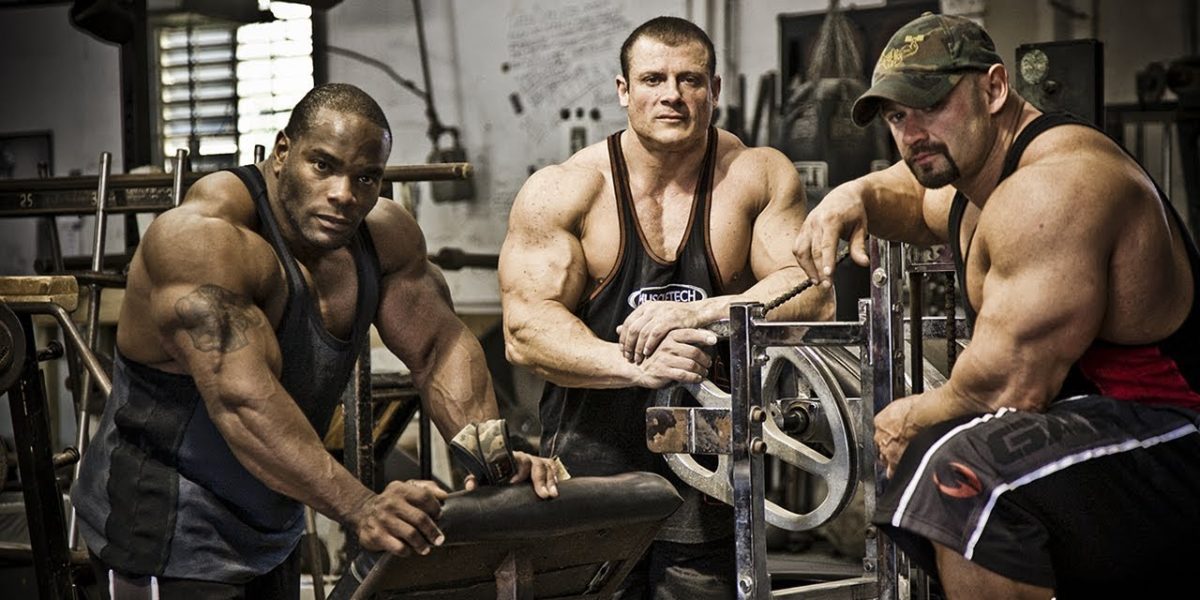
Just about everyone has had a bad training partner in the past. How do you know that you’re not the bad training partner in everyone else’s past? Let’s discuss.
Sometimes you get in a training or motivation rut and need a quick pick-me-up to get you going again. This is that pick-me-up. Watch the tagged video for best results.

Both researchers and bodybuilders alike have theorized about the idea of a “genetic potential.” What factors can influence one’s genetic potential?

Many have described the gym and its constituents as a courtroom. How accurate is that analogy? Let’s take a look at an interesting case and find out.


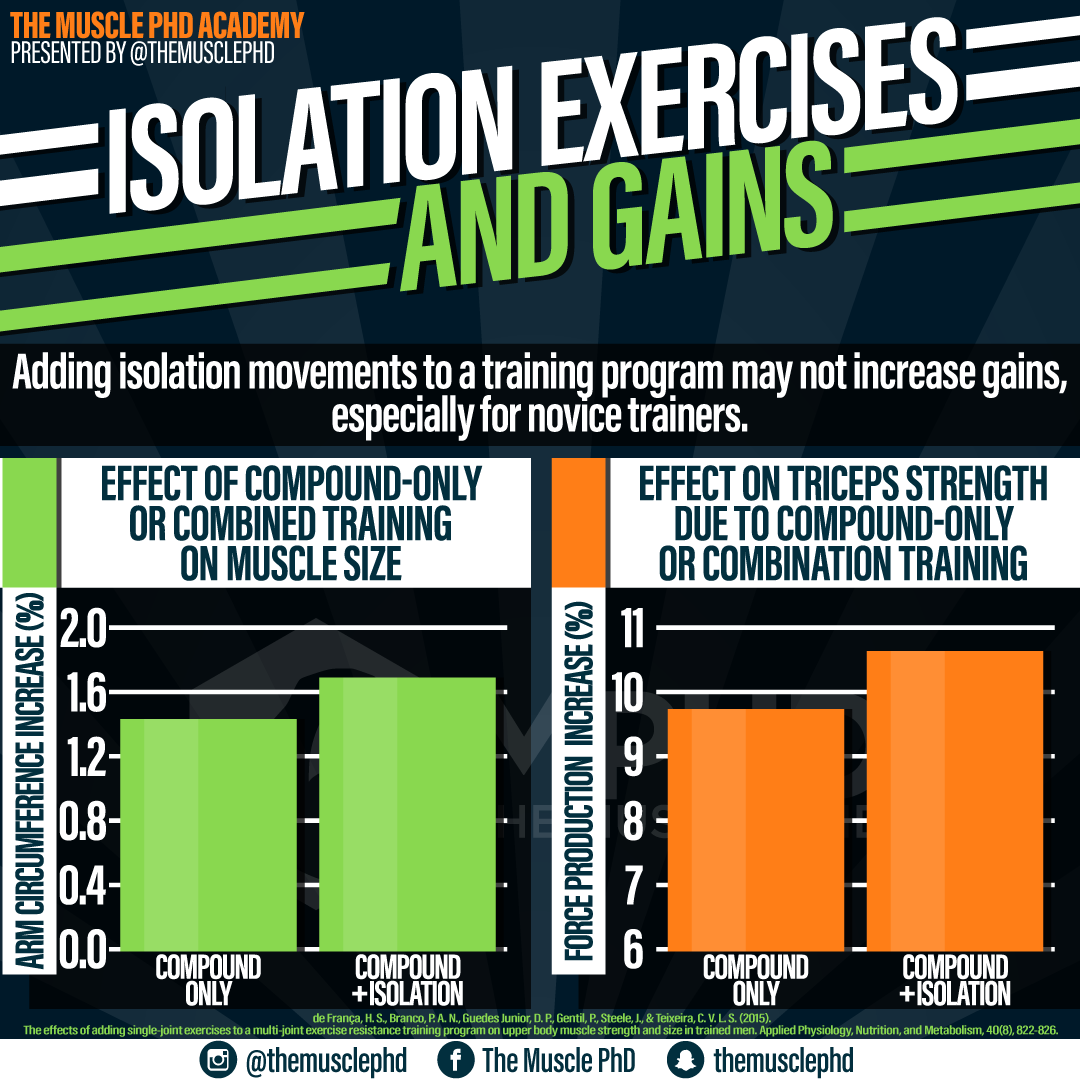
Bodybuilders often add isolation exercises to their workouts to boost gains in muscle size. Is this necessary for novice bodybuilders?
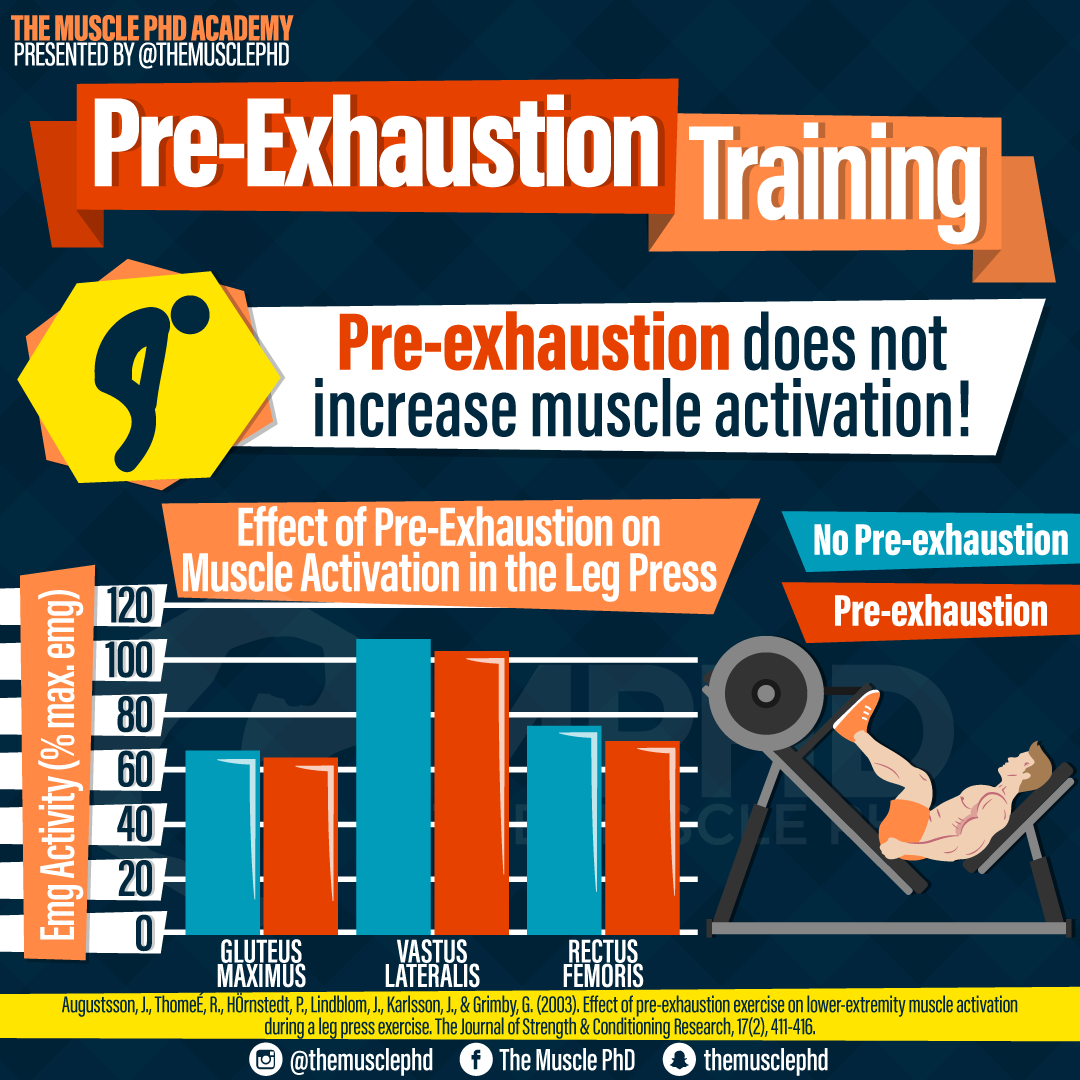
Many bodybuilders employ pre-exhaustion training in an attempt to increase muscle activation in compound movements. Research doesn’t support this theory, but there are other ways to achieve this effect.
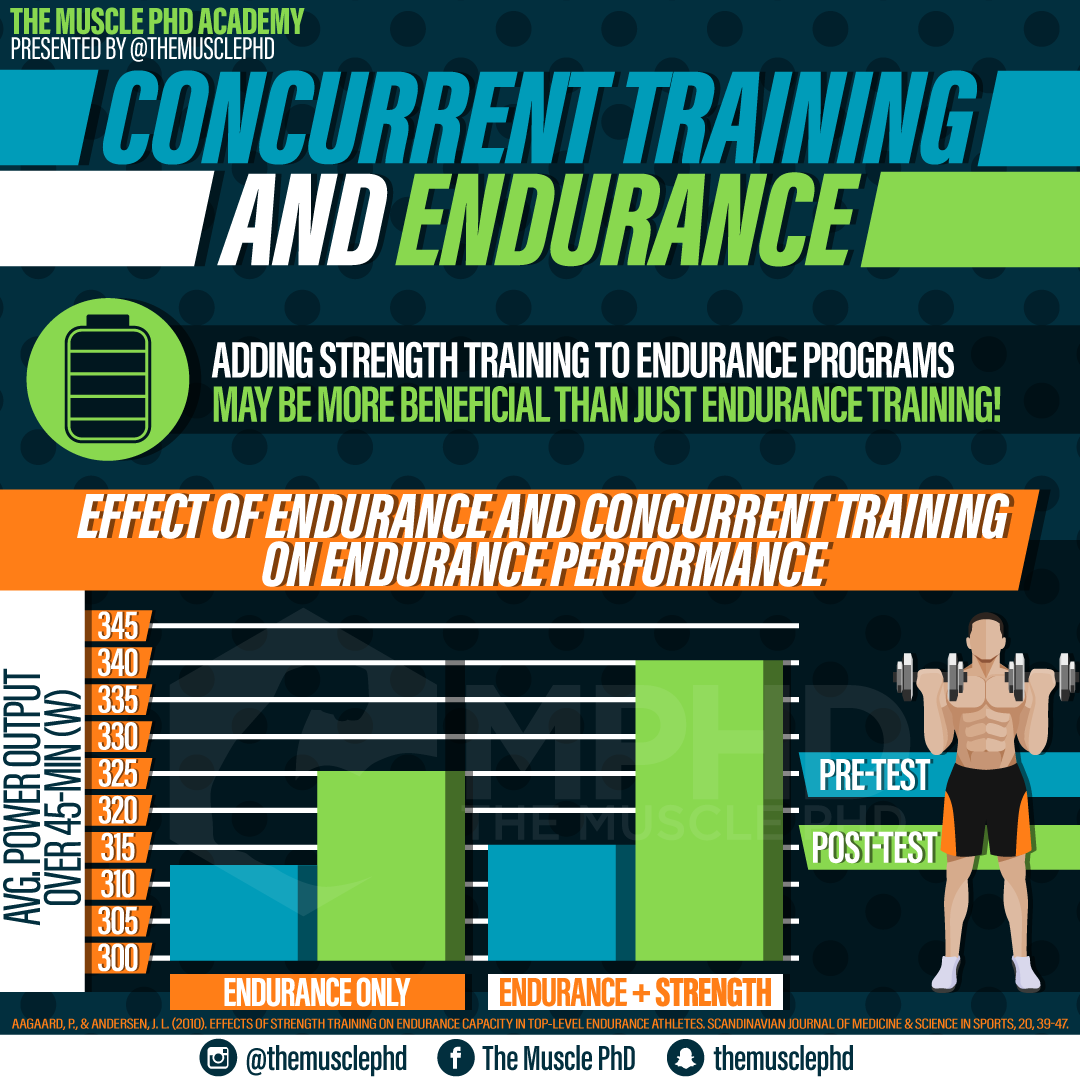
If you’re an endurance athlete looking to maximize your performance, try adding strength training to your routine. This study found that strength training offered huge benefits to endurance performance.
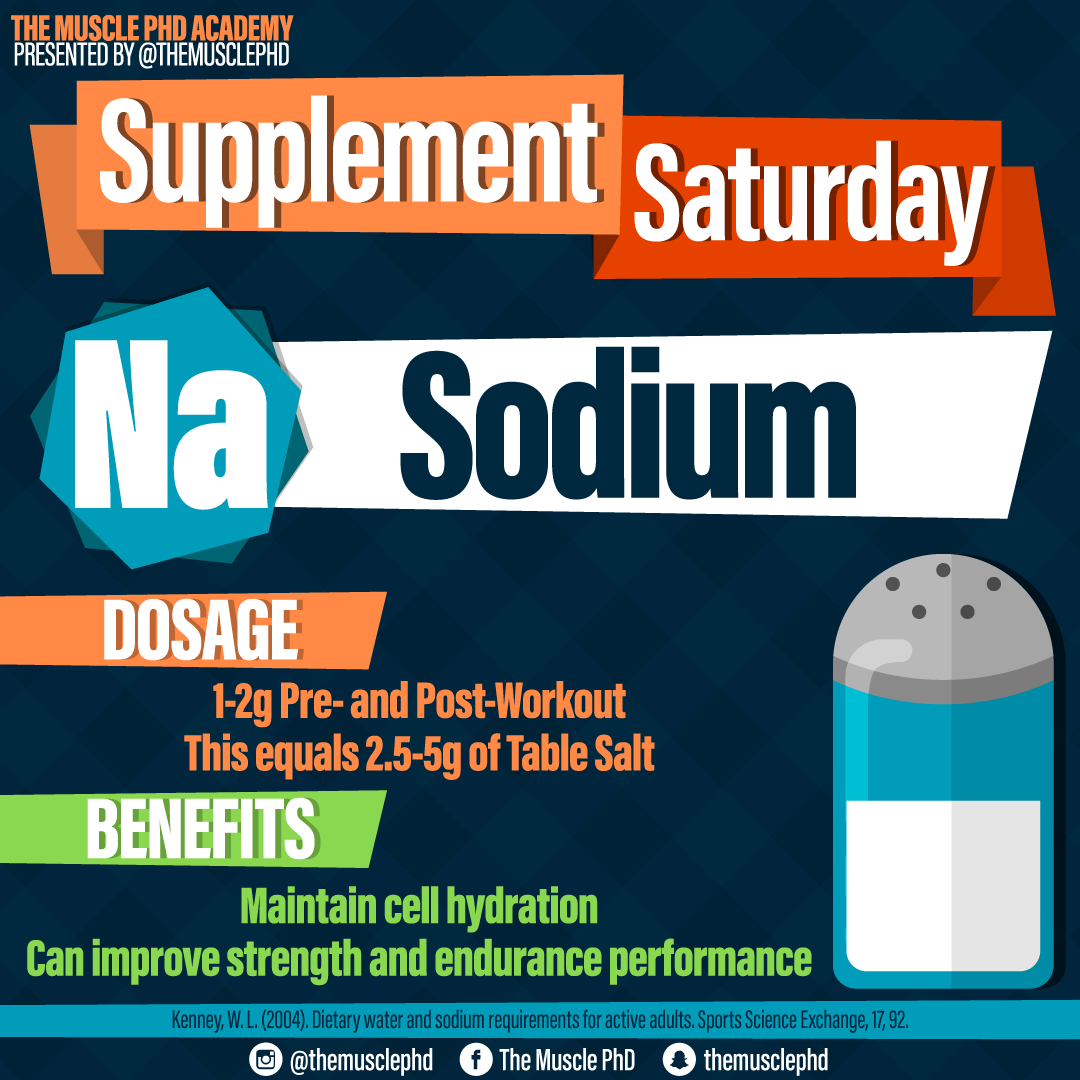
Sodium is the most important mineral for the training athlete or bodybuilder. Significant amounts of sodium are lost through sweat which means that sodium intake needs to be monitored to offset this loss.
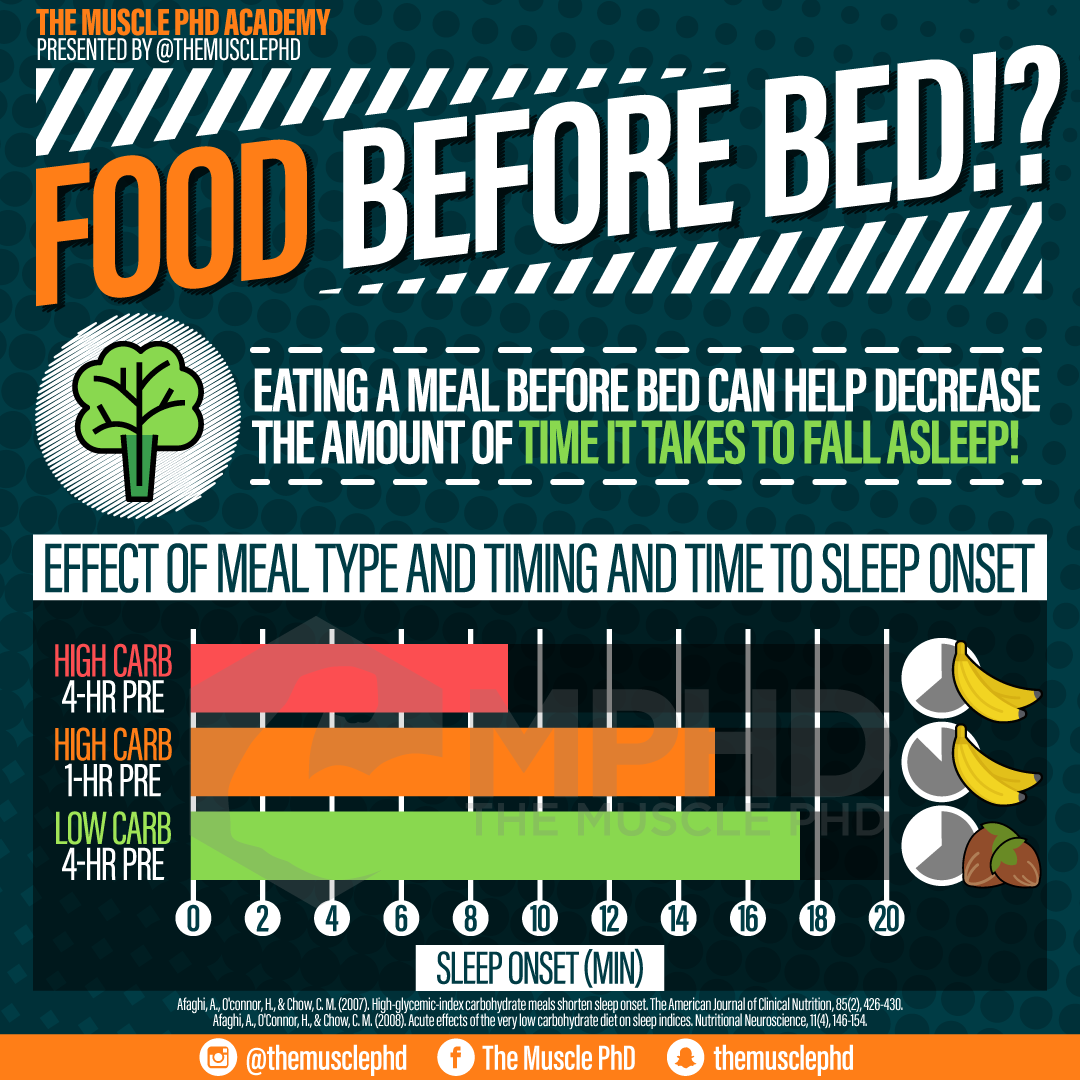
Many believe that eating before bed can disrupt sleep and decrease overall sleep quality. However, multiple studies have found that eating before bed can decrease the amount of time it takes to fall asleep.
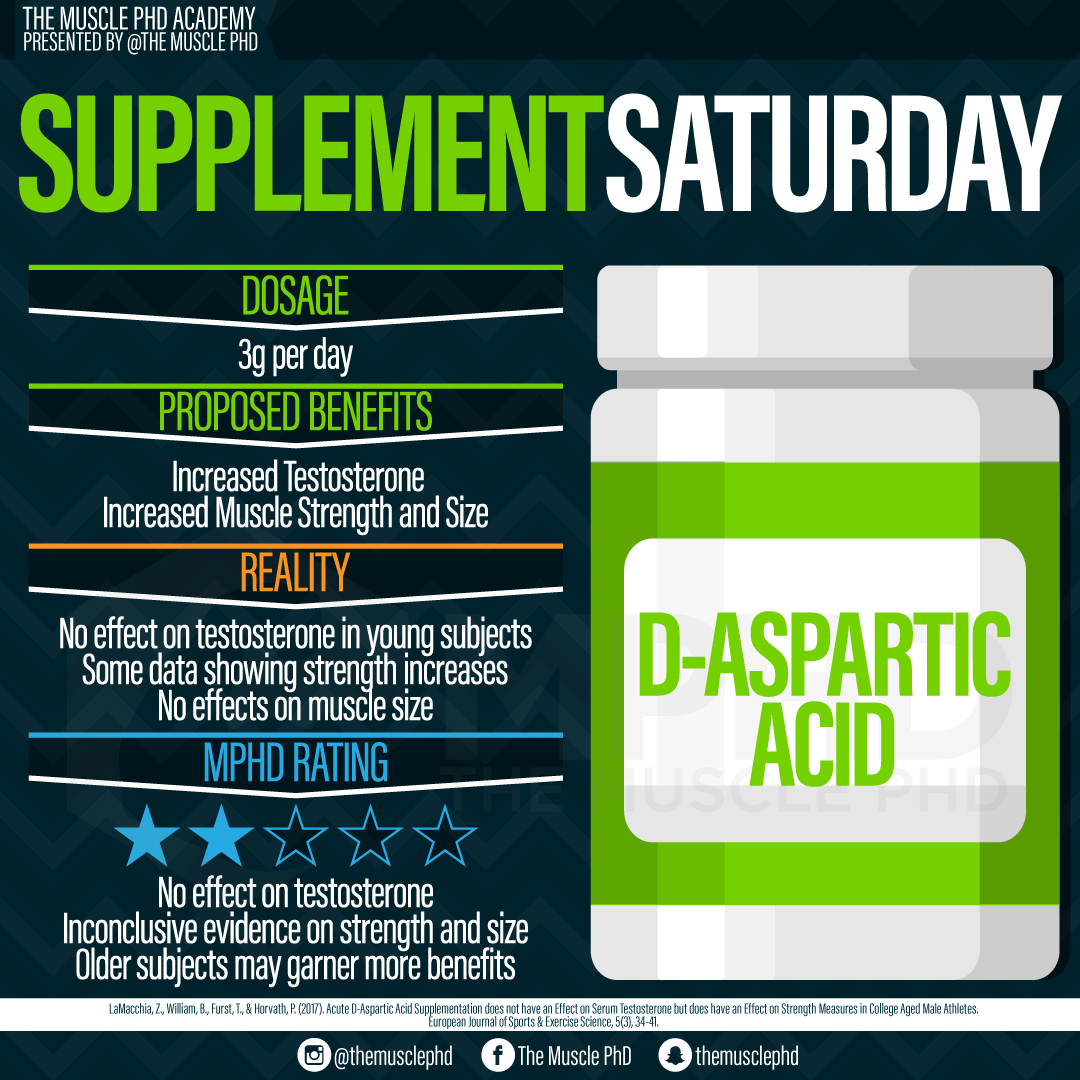
D-aspartic acid is often marketed as a natural testosterone booster but the reality is that this effect has not been shown in research. One study did find positive effects in older men.
In this episode of the Muscle PhD Live, we will be discussing Biceps Training. This is a great discussion on how to optimize your arm training
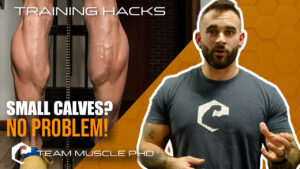
Calves are some of the most stubborn muscles to grow for most. If you have done endless calf raises and still see no results, this may be why. You need variety. Try this and see them grow from baby calves into Spanish fighting bulls!

How do I stay full on a ketogenic diet? When you first transition onto a ketogenic diet, you go through a period of adaptation. Your glycogen stores are depleted and it’s very difficult to maintain a pump.

In part 2 of this series, Dr. Jacob Wilson will go over the best ways to gain muscle and lose fat through nutrition and lifestyle changes.

In this episode of the Muscle PhD Live Academy we will discuss carb cycling and we’ll be answering community questions