

Articles
Genetic Potential
Both researchers and bodybuilders alike have theorized about the idea of a “genetic potential.” What factors can influence one’s genetic potential?

Both researchers and bodybuilders alike have theorized about the idea of a “genetic potential.” What factors can influence one’s genetic potential?

BCAAs have come under fire in recent years with many questioning their usefulness. What factors need to be considered to make these claims?

Many in the field claim that deadlifts are an inherently dangerous exercise. Is this claim supported by science? Or is something else going on?

Many lifters take NSAIDs or pain killers to alleviate muscle soreness following intense training. Is this the best practice for promoting recovery and gains?
Many teachers lecture on the various biomechanical properties of muscle but rarely mention how these properties can affect growth. Let’s check it out.
Research continues to uncover minimal hamstrings involvement in the squat, but the fitness community often claims otherwise. What’s the deal here?
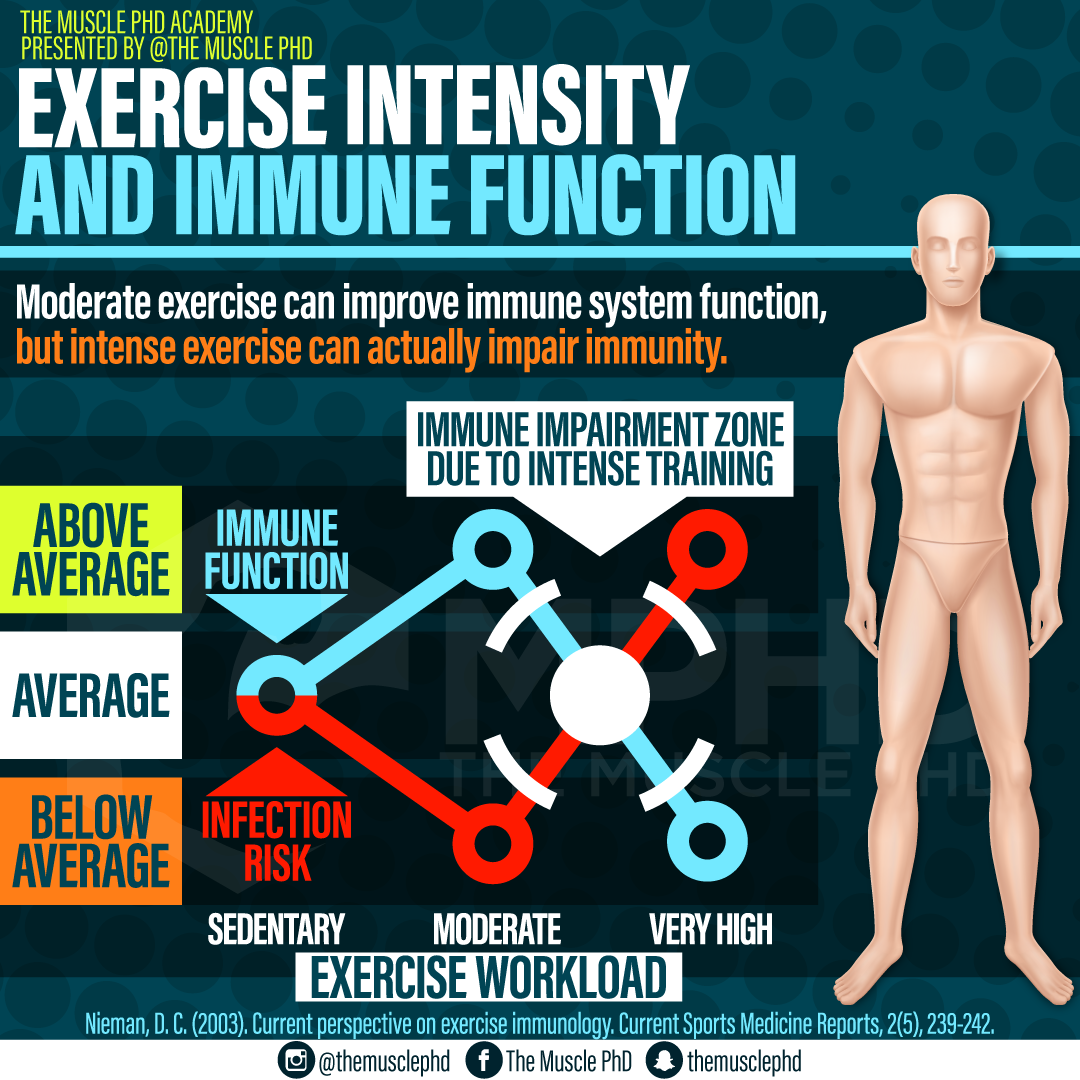
Exercise can influence immune system functionality and performance. This review stated that intense exercise can actually impair immune function while moderate exercise can improve it.
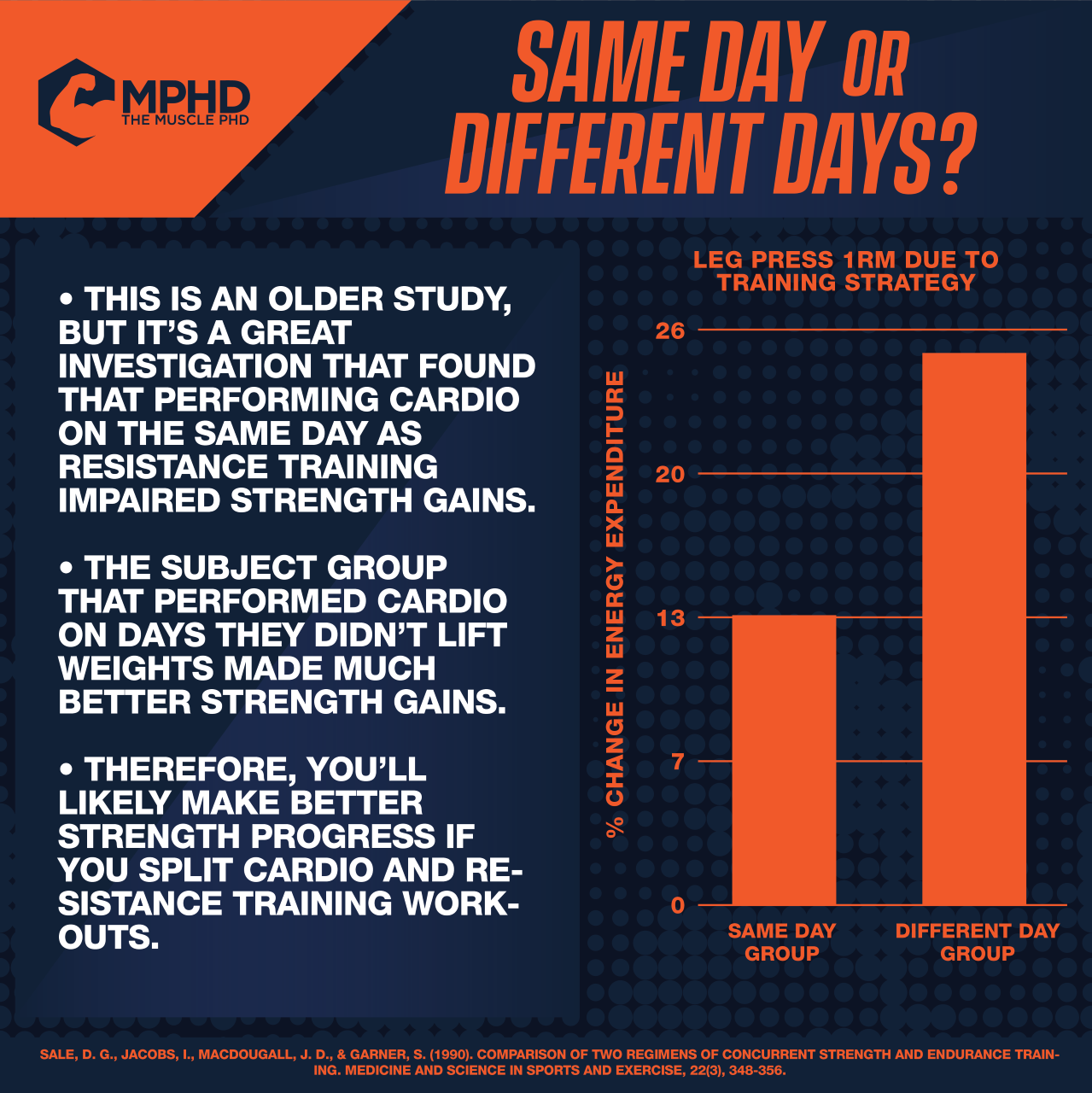
Bodybuilders have long known that performing cardio and lifting on the same day might not be best for gains. Why is this the case?
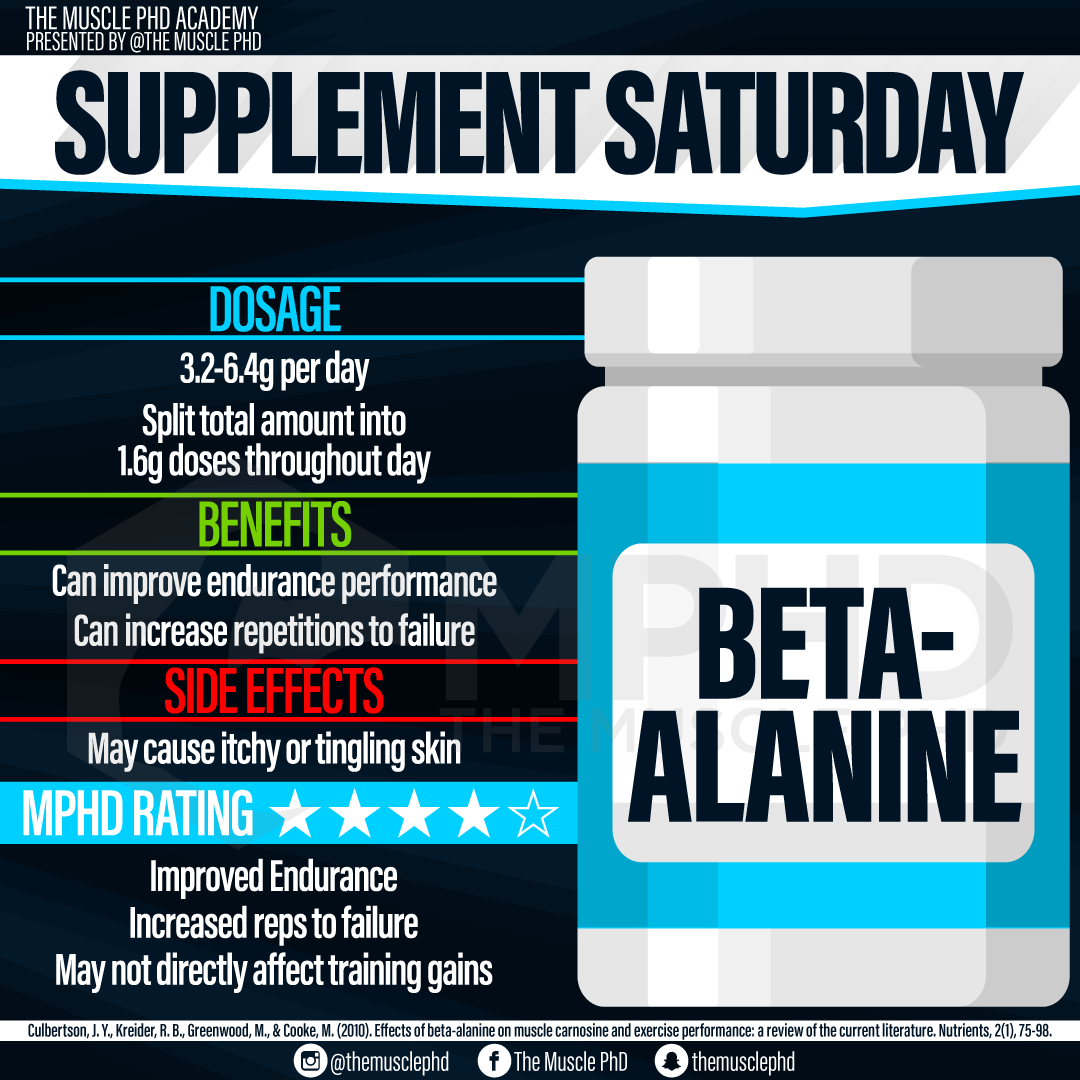
Beta-alanine is a popular ingredient in many pre-workout formulations – and for good reason. Beta-alanine has been shown to improve endurance and increase repetitions to failure during strength training.
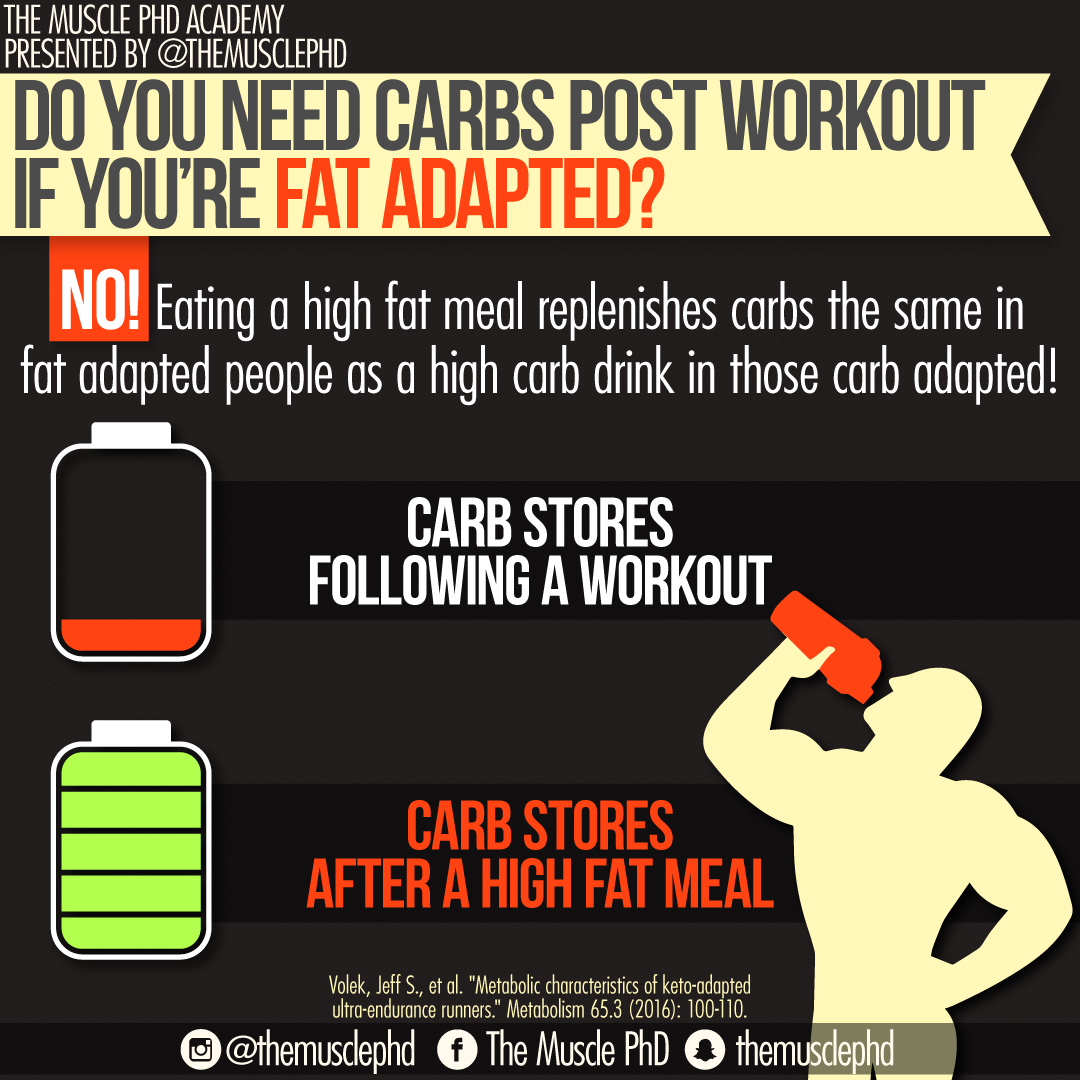
We often tout the importance of carbohydrates after your workout but what if you’re keto-adapted? Consuming fat after your workout can help replenish muscle glycogen!
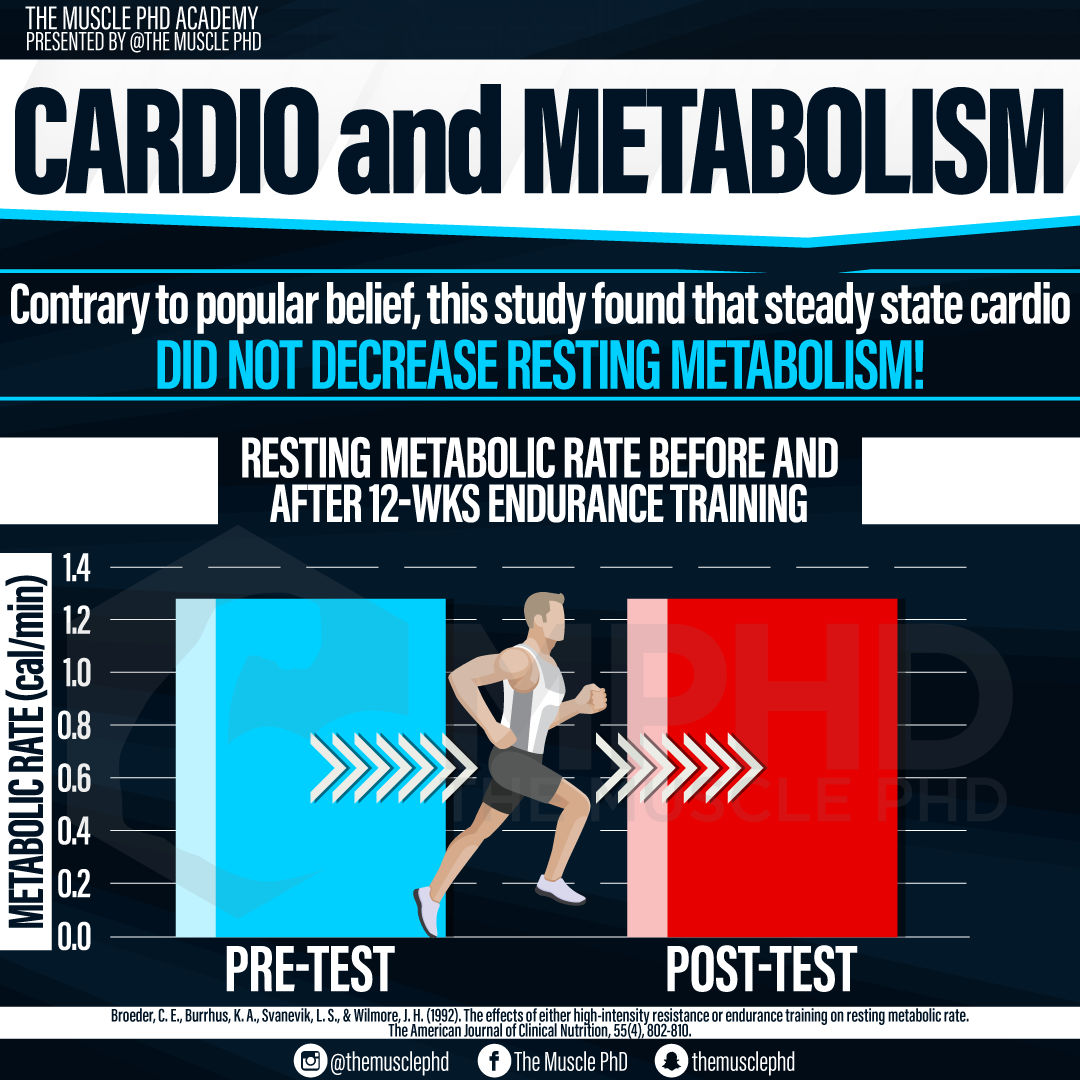
Many in the fitness community think that performing steady state cardio will reduce your resting metabolism. However, this study found that not to be the case!
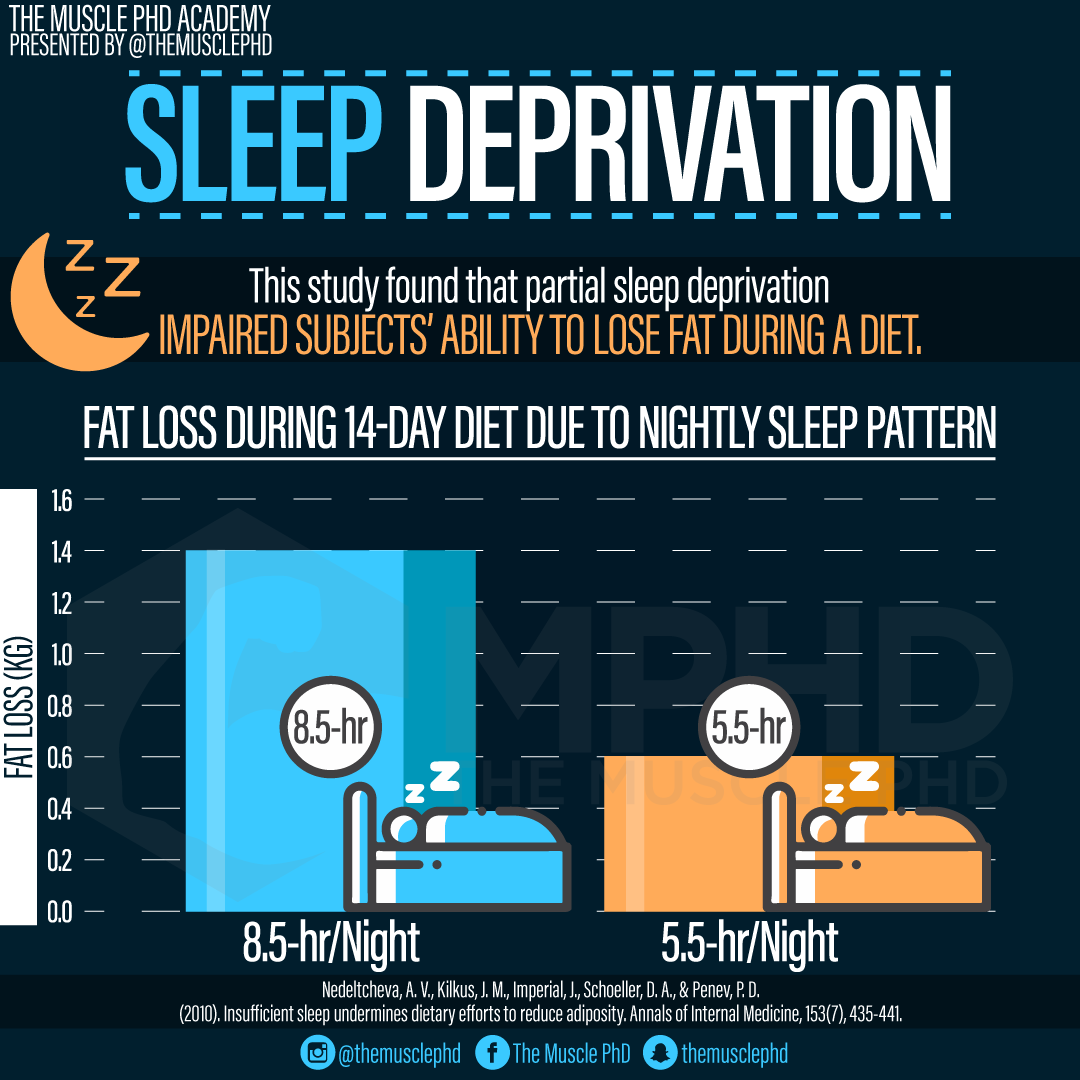
If you’re trying to lose fat, focusing on diet and exercise are incredibly important. However, you can’t neglect the importance of sleep. This study found the mild sleep deprivation significantly reduced fat loss during a diet.
In this episode of the Muscle PhD Live Academy we will discuss intermittent fasting and we’ll be answering community questions
This week we are going to start with this tip. Personally, I have some shoulder mobility issues and wrist pain when trying to position for a front squat. If you have similar issues, this old-school training hack may help you out with this powerhouse exercise that will hammer your quads.
ASPI Director of Strength and Conditioning, Charlie Ottinger as he gives you tips and hacks to improve your workouts or add new weapons to your gym arsenal. This week we are going to start with the preacher curl. For some reason, not all gyms have them. So here’s a way to get around that.

Dr. Jacob Wilson talks about the top 3 research-based ways to avoid the keto flu and adjust to keto faster.

In this video, Dr. Wilson will talk about whether eating frequent meals can maximize muscle growth and help you reach your goals.
Dr. Jacob Wilson will go over the top 3 research-based ways to use essential amino acids (EAAs) for max hypertrophy.