

Articles
Fasted Training
Many bodybuilders perform fasted cardio or fasted training in an attempt to burn more fat as fuel. Is this the best practice for getting shredded?

Many bodybuilders perform fasted cardio or fasted training in an attempt to burn more fat as fuel. Is this the best practice for getting shredded?

Some aspects of science aren’t immediately applicable to training, but understanding muscle architecture can help round out your exercise science knowledge.

Caffeine is the most commonly-consumed drug in the world. What is caffeine and why is it so popular? Can it help exercise performance? Let’s discuss.

Many people think training frequency is a closed case in the research, but we actually know very little about the optimum frequency for each muscle group. Let’s get into more detail.

The bodybuilding community has rallied around the squat and hip thrust for glute development, but which exercise is better? New research may have the answer.

How different are men and women when considering exercise performance and training adaptations? Let’s dive into what the science says about this topic.





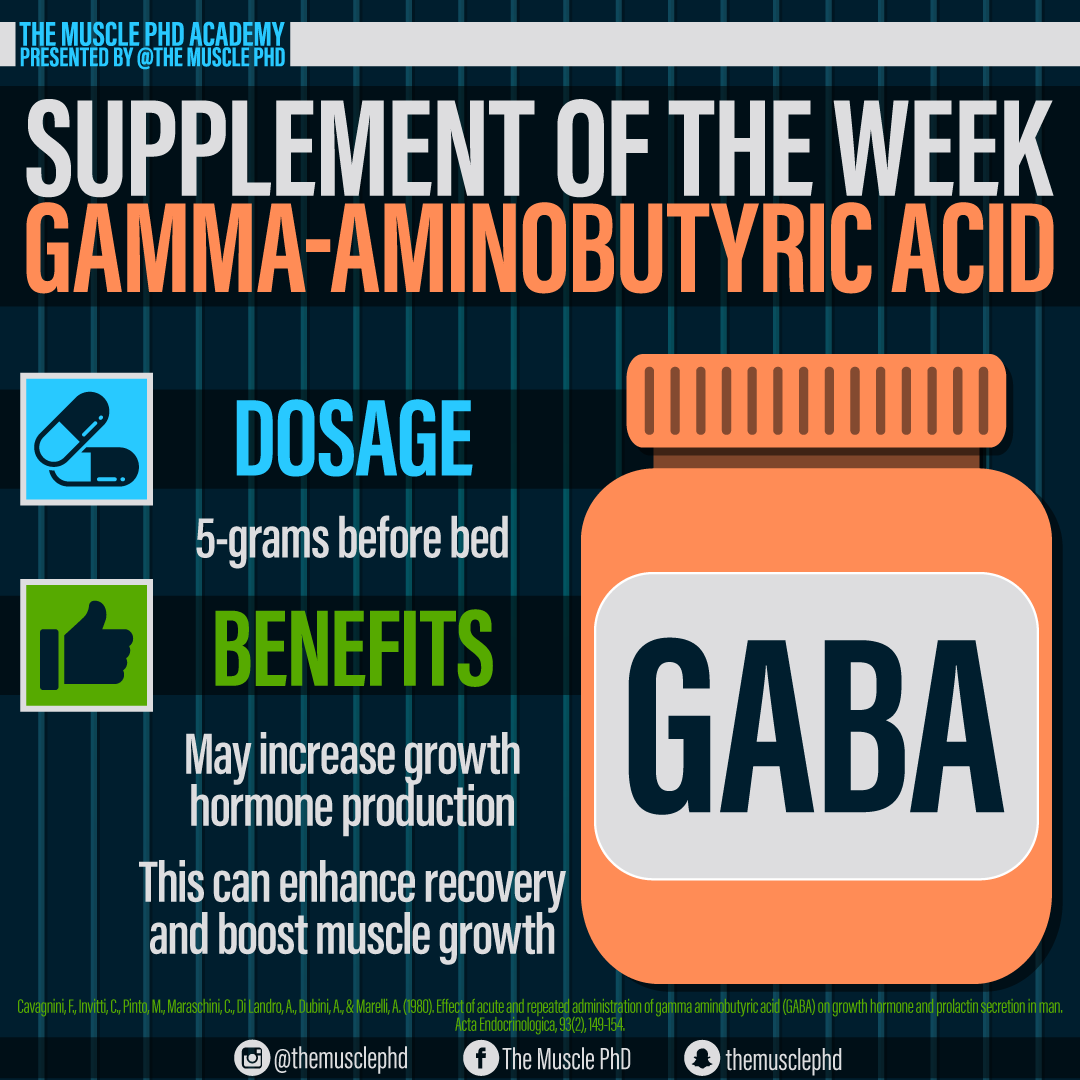
Many bodybuilders use GABA to improve their sleep quality. While this may not always be an effective use, GABA has been shown to increase growth hormone production overnight.
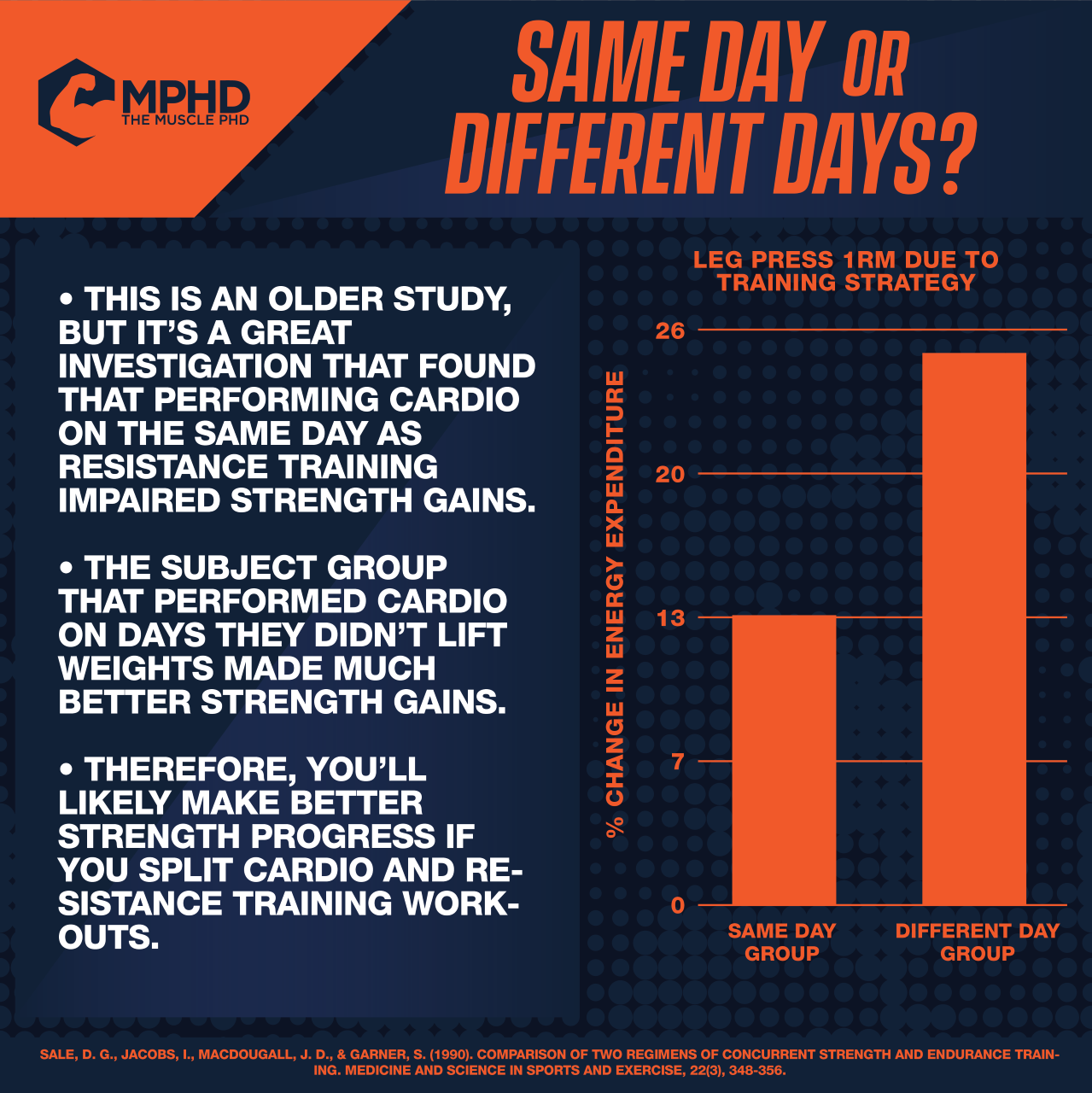
Bodybuilders have long known that performing cardio and lifting on the same day might not be best for gains. Why is this the case?
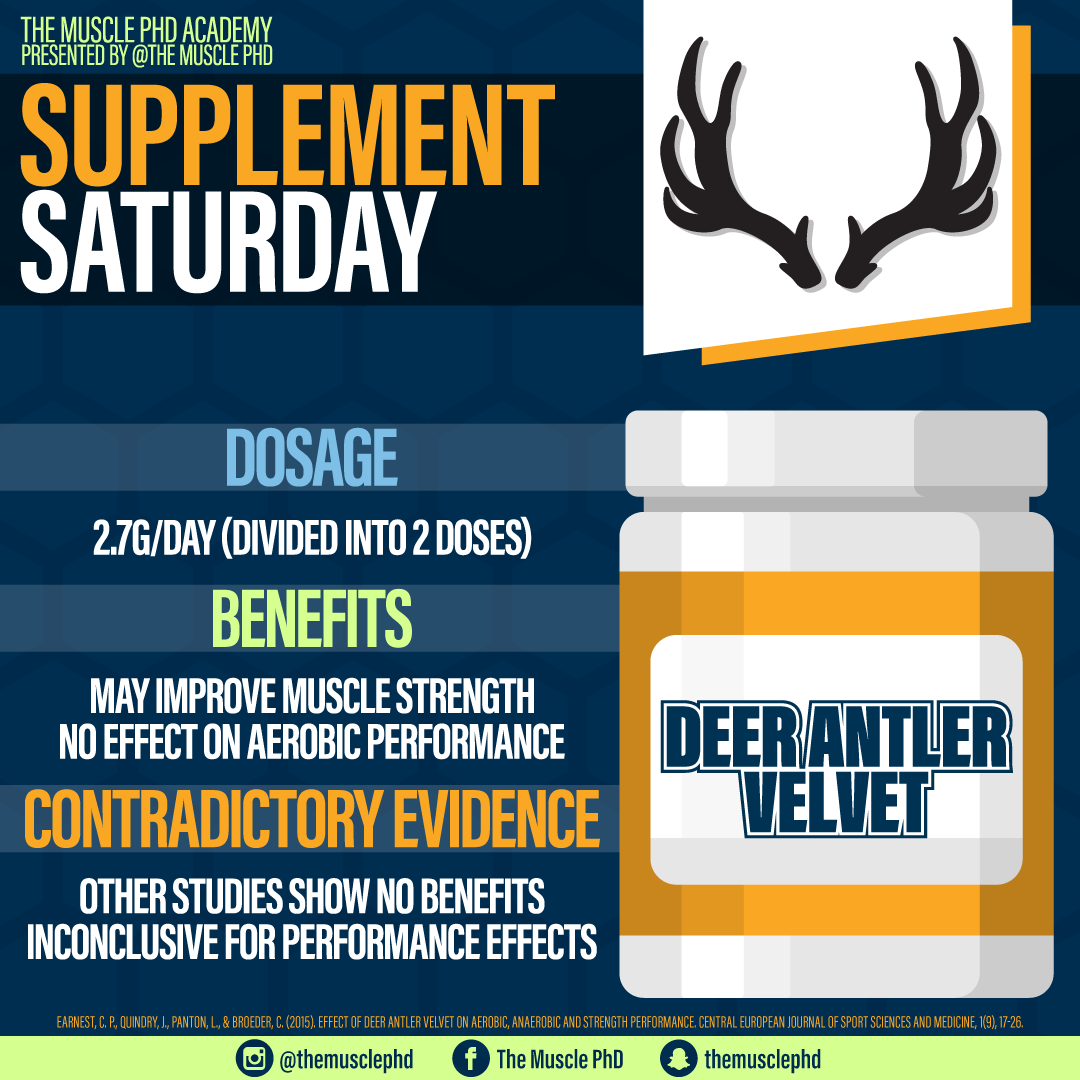
Deer Antler Velvet has been proposed to interact with various anabolic hormones in the body but that effect has not been seen in research. Evidence remains inconclusive.
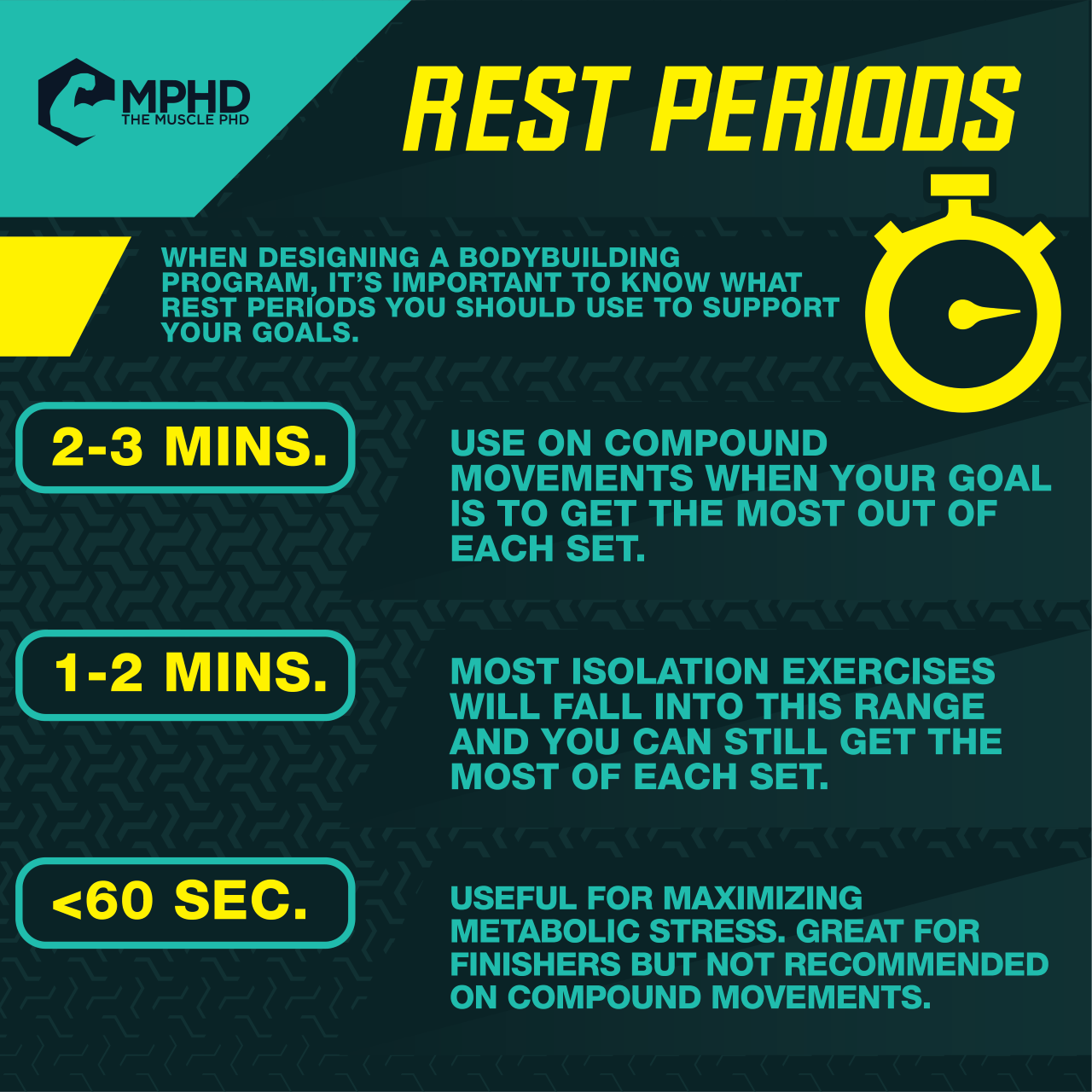
How long should you rest between sets? Is there a golden rule to this training variable, or are rest periods not one-size-fits-all?
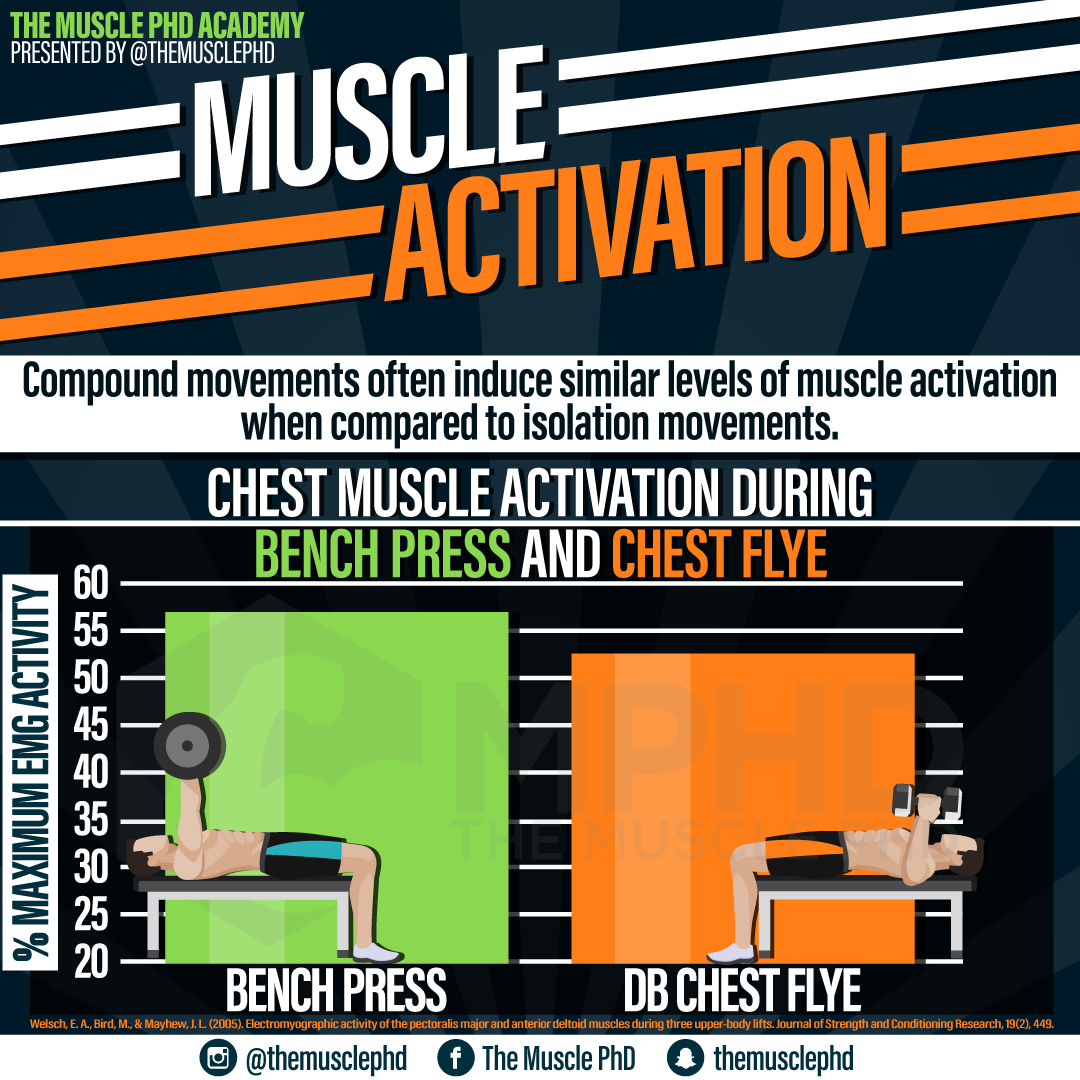
Many people think that isolation exercises increase muscle activation compared to compound movements but this study found that not to be the case.
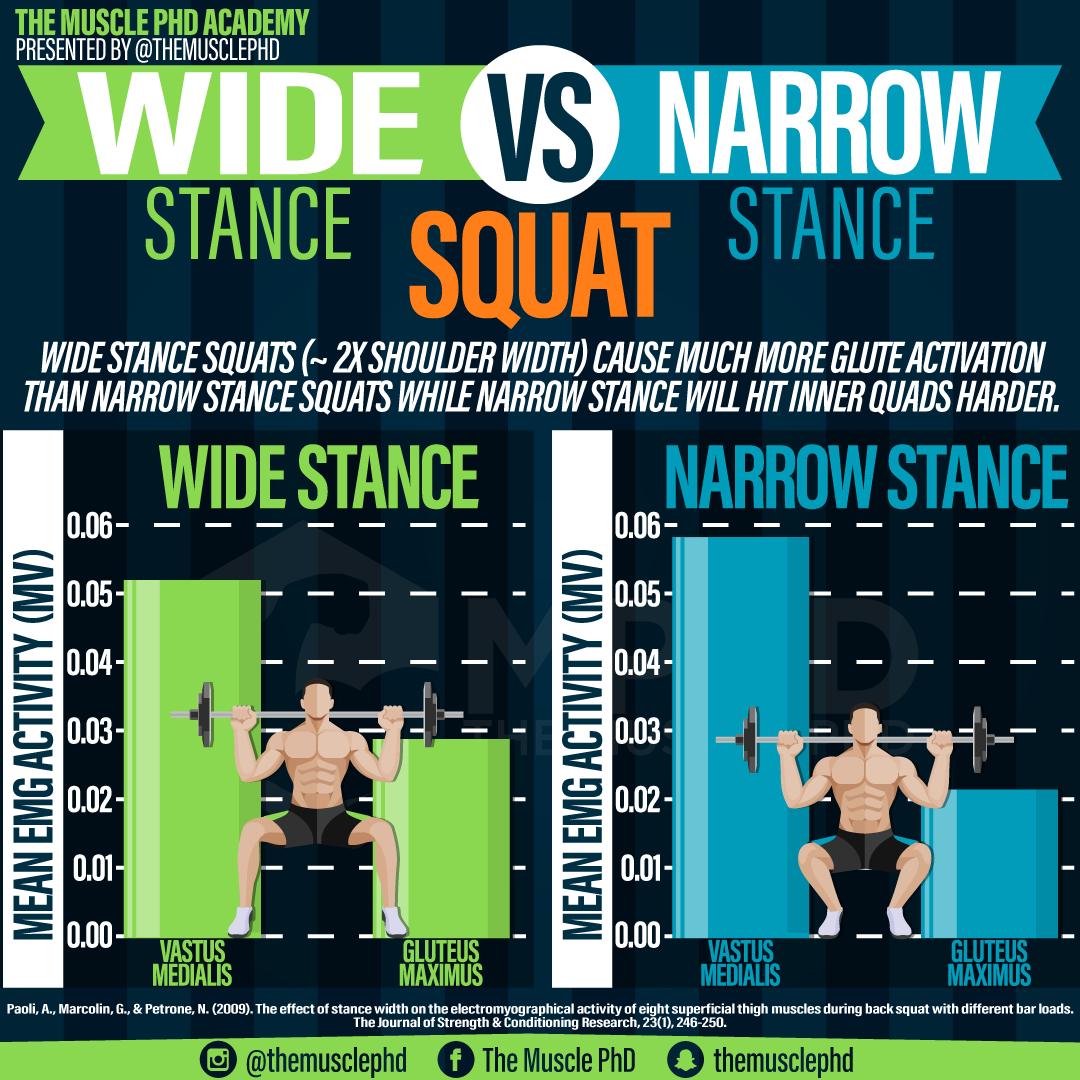
This study confirmed the classic theory that wide stance squats will target the outer quad and glutes more while narrow stance squats emphasize the inner quads more.

If you can’t seem to make your glutes grow, you’ve come to the right place. Here’s some no-nonsense advice on why your glutes aren’t growing.
In this episode of the Muscle PhD Live Academy we will discuss wrestling vs bodybuilding physiques and we’ll be answering community questions

Should you carbohydrate cycle? Is this the key to unlocking your bodybuilding potential and become a cheat code for getting shredded?

How many calories do you need to add size? What is the ideal calorie intake for the skinny guy packing muscle, or the aspiring mass monster?

In this episode of the Muscle PhD Live Academy we will discuss what the best alternative to a ketogenic diet is
Can you gain muscle on a calorie deficit? Here’s a controversial topic that people often ask us here at The Muscle PhD.