

Articles
A “Brief” Guide to Cutting
Bodybuilders often spend the entire winter bulking and building slabs of muscle, but what happens when beach season rolls back around? Let’s discuss.

Bodybuilders often spend the entire winter bulking and building slabs of muscle, but what happens when beach season rolls back around? Let’s discuss.

The bodybuilding community has rallied around the squat and hip thrust for glute development, but which exercise is better? New research may have the answer.

BCAAs have come under fire in recent years with many questioning their usefulness. What factors need to be considered to make these claims?

Many folks ask the age-old question – is a bigger muscle a stronger muscle? In this piece we dive into the nitty gritty science of getting stronger in order to find out.

The fitness industry is full of gurus telling you how to eat and train while offering motivation along the way. However, these gurus often forget a key secret.

The debate about knee safety during the squat has raged over the past few decades. Let’s dig into what the science says about squats and knee health.
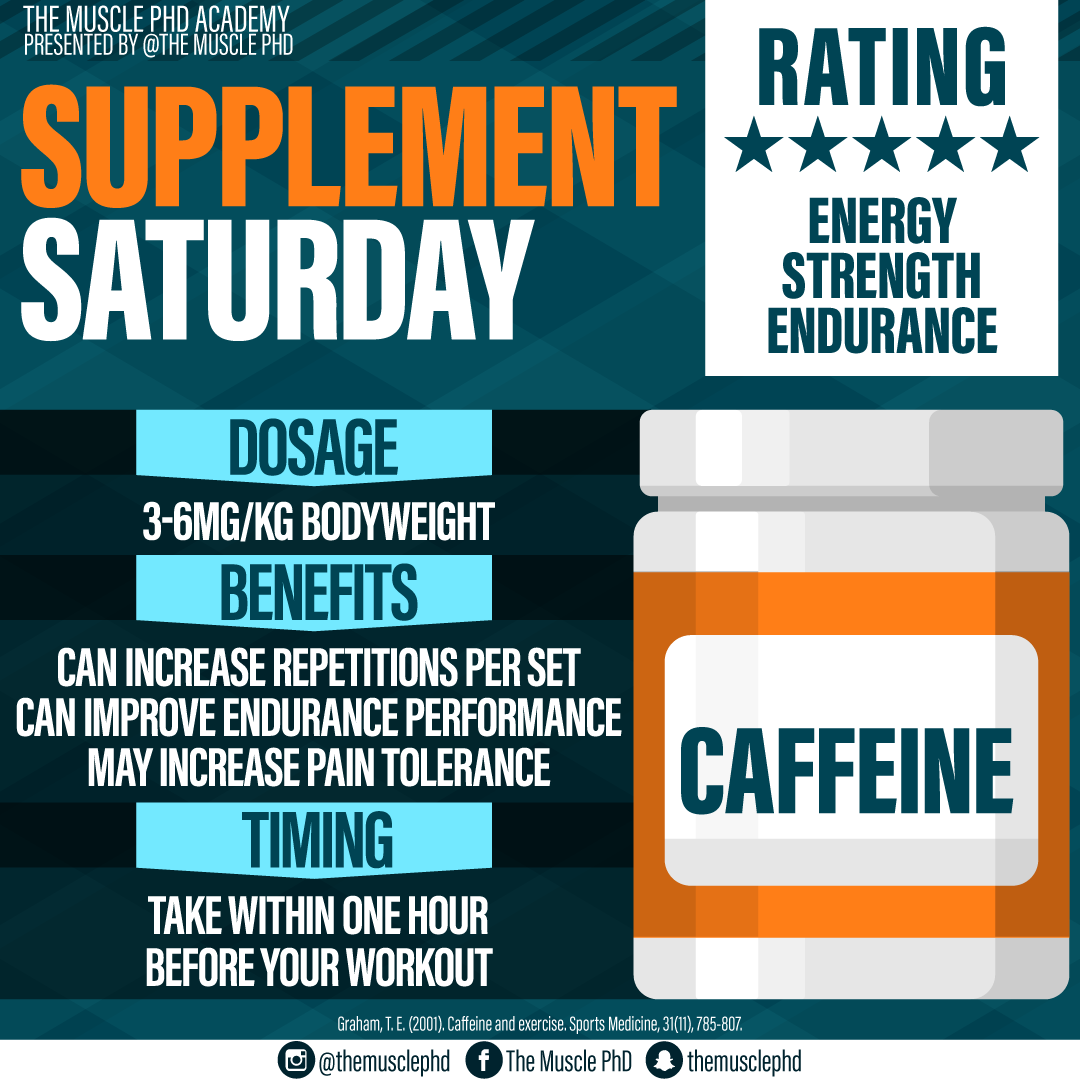
Caffeine is the most common ingredient in pre-workout formulations. Caffeine has been shown several times over to positively impact many aspects of exercise performance.
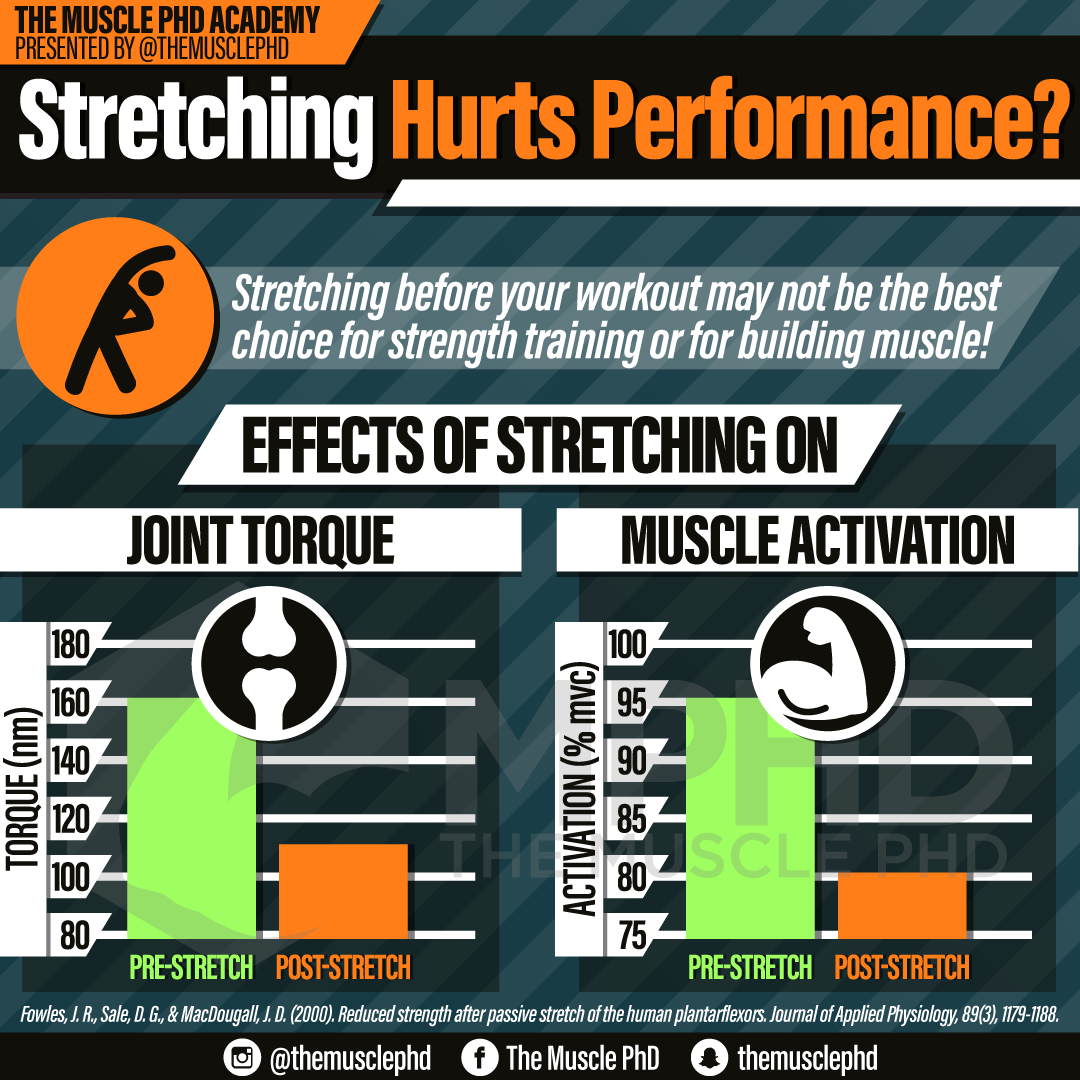
Many athletes and recreational trainers use static stretching as their pre-workout warm up. Is this the best practice to prepare for sports or lifting?
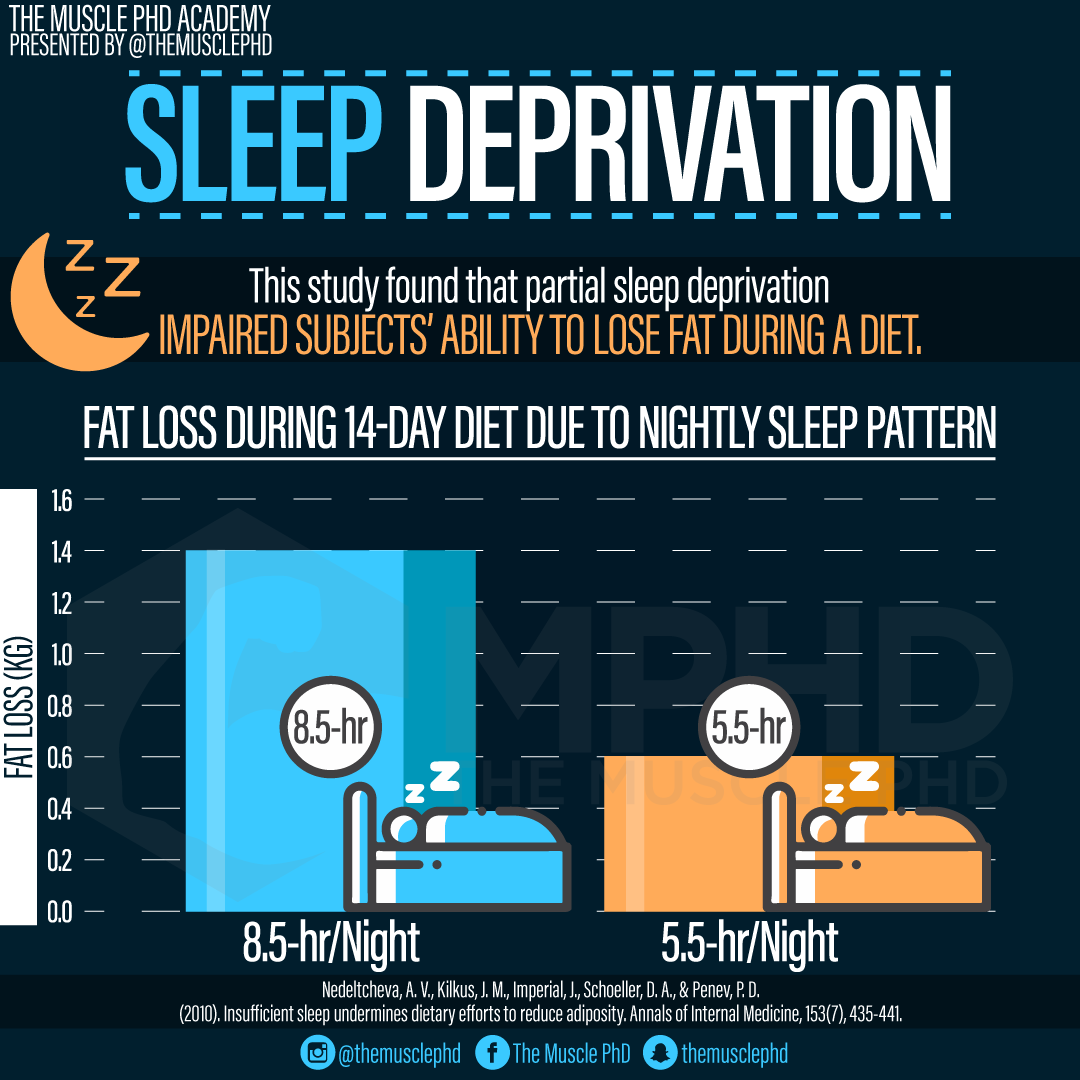
Professionals often harp on the importance of nutrition and training when trying to build muscle. However, sleep is just as important.

While the anabolic window is much wider than initially thought, it’s still important to get protein after your workout to start the recovery process. How much do you need?

The mind-muscle connection is a popular strategy for bodybuilders but it may not be best for strength athletes. This study found that force production was reduced when subjects used the mind-muscle connection.
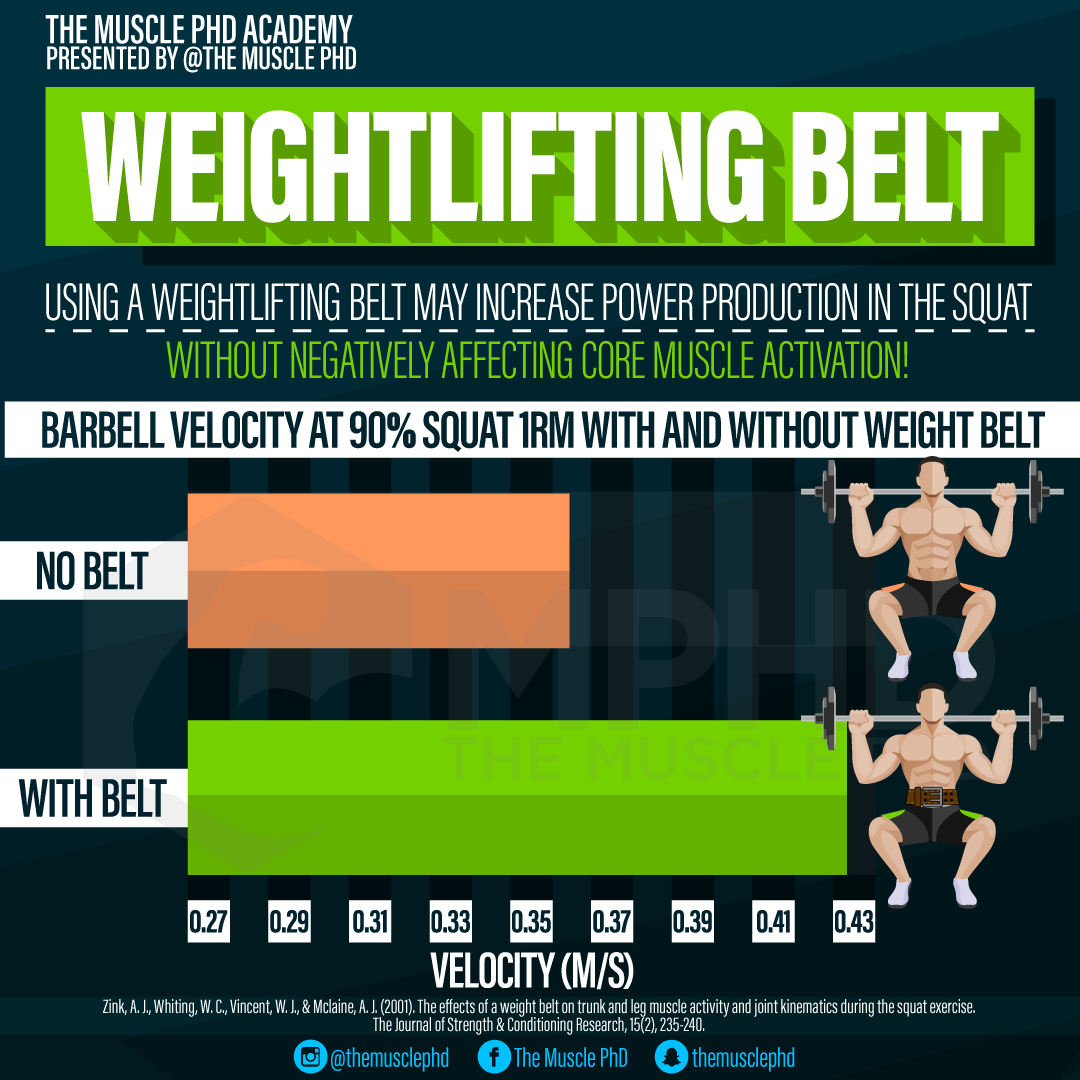
One way to improve your squat performance is by using a weightlifting belt. A good belt can help increase power production and won’t lower core activation like many people think.
Dr. Jacob Wilson will discuss the top 3 research-based ketogenic diet hacks to keep you getting the pumps you want on keto.
Dr. Wilson will explain what hydrolyzed whey protein is, how it works in your body, and what the benefits are over other protein blends.
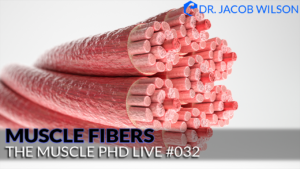
In this episode of the Muscle PhD Live Academy we will discuss muscle fibers, their types, and how to target them
In this episode of the Muscle PhD Live Academy we will discuss shoulder training and how to properly train them to maximize strength and mass
Having education and experience are just two of many, many skills needed to become successful in the fitness industry. What are the others?