

Articles
Pain Killers and Gains
Many lifters take NSAIDs or pain killers to alleviate muscle soreness following intense training. Is this the best practice for promoting recovery and gains?

Many lifters take NSAIDs or pain killers to alleviate muscle soreness following intense training. Is this the best practice for promoting recovery and gains?
Sometimes you get in a training or motivation rut and need a quick pick-me-up to get you going again. This is that pick-me-up. Watch the tagged video for best results.
Writing a solid training program is one of the most nuanced tasks in the fitness field. How can you go about creating your own program? We’ll get into the nitty gritty in this series.

Both researchers and bodybuilders alike have theorized about the idea of a “genetic potential.” What factors can influence one’s genetic potential?

Are all calories equal? Is calories in vs calories out the most important component of a diet for weight loss? Let’s see what the science says about these hot-button issues.

The debate about knee safety during the squat has raged over the past few decades. Let’s dig into what the science says about squats and knee health.
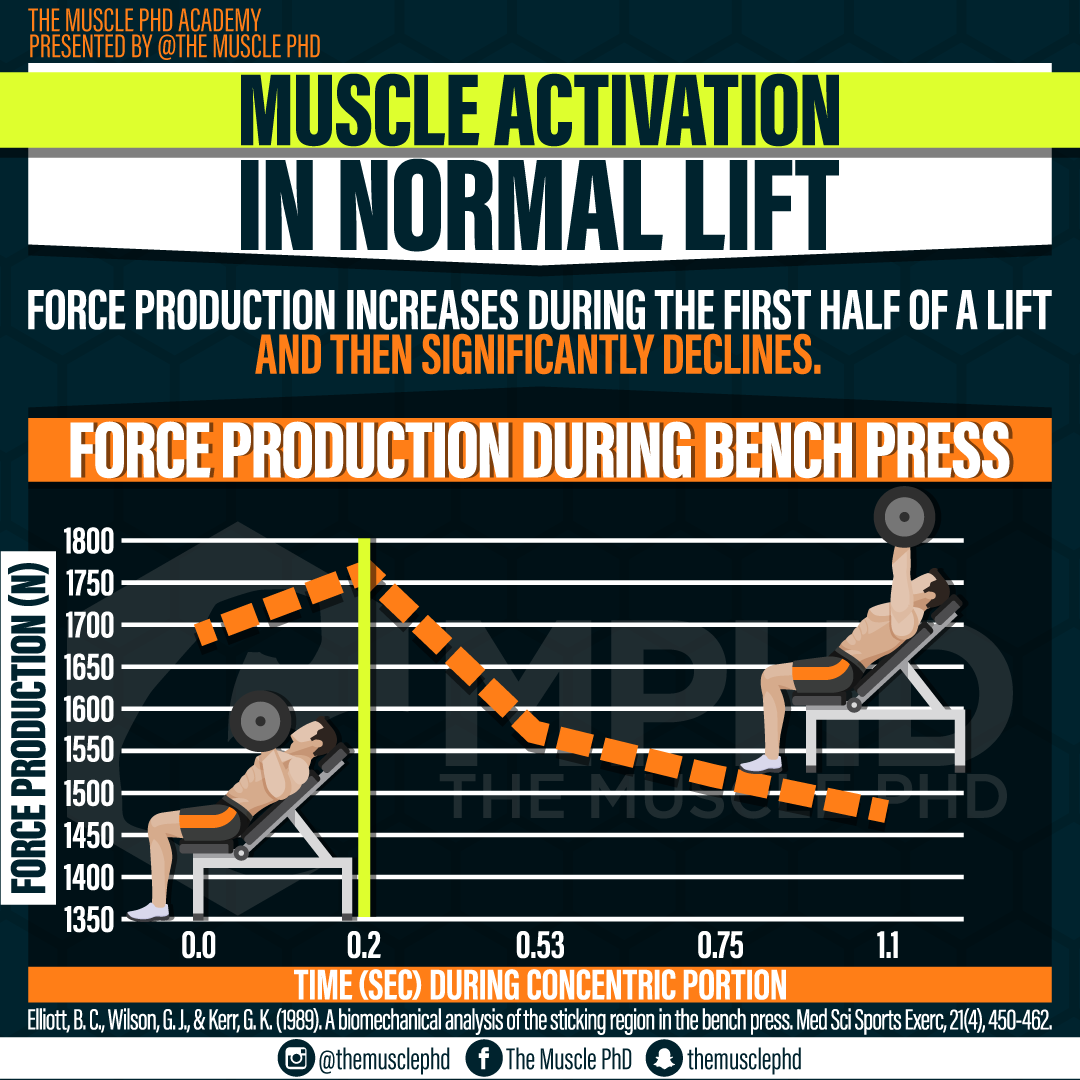
Studies show that muscle activation during a normal lift reduces throughout the positive portion of the lift. This is due to a few different factors but represents an area of a lift that requires more training.
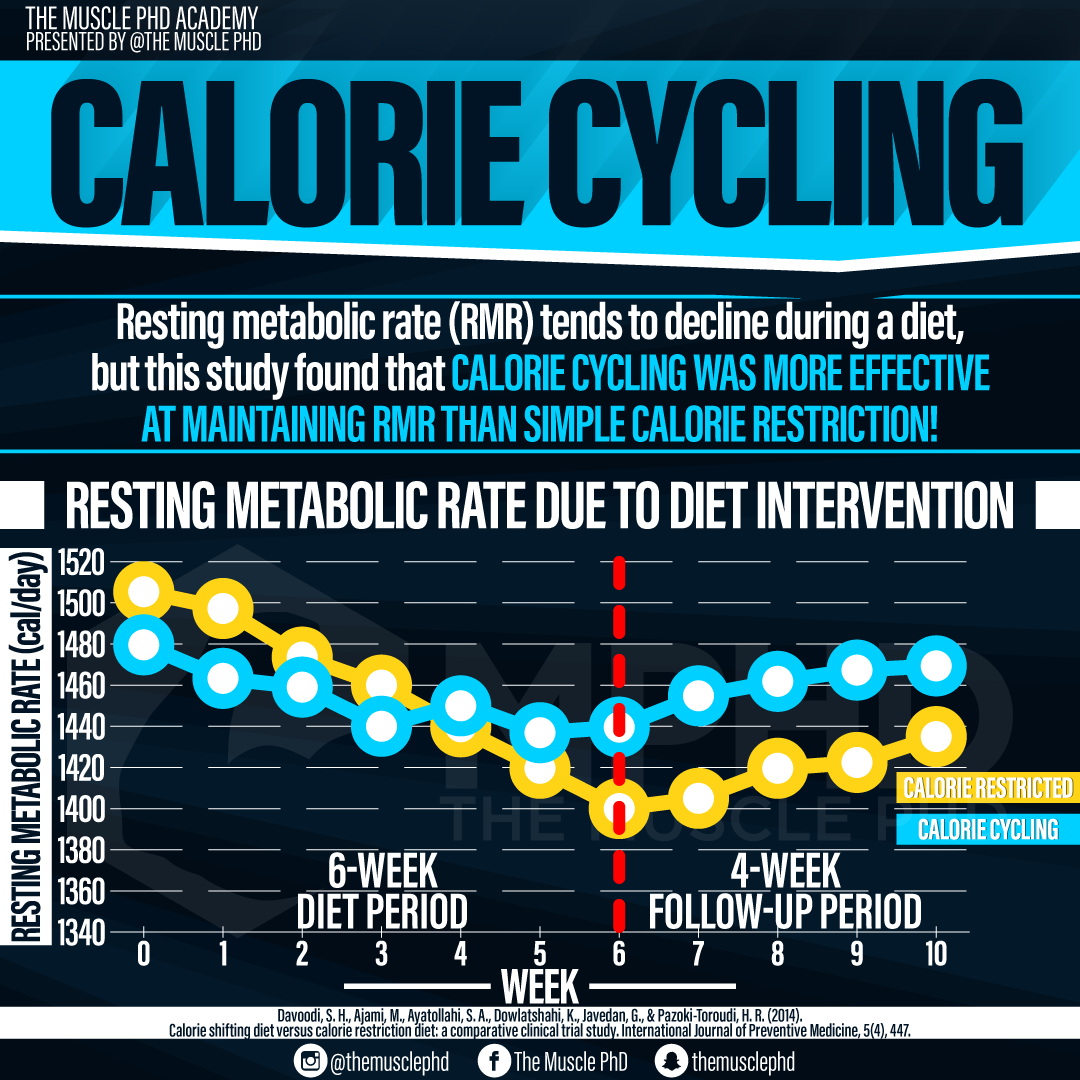
One of the issues with consuming a calorie-restricted diet is that it can cause your metabolism to slow down. This study found that calorie cycling negated this effect.
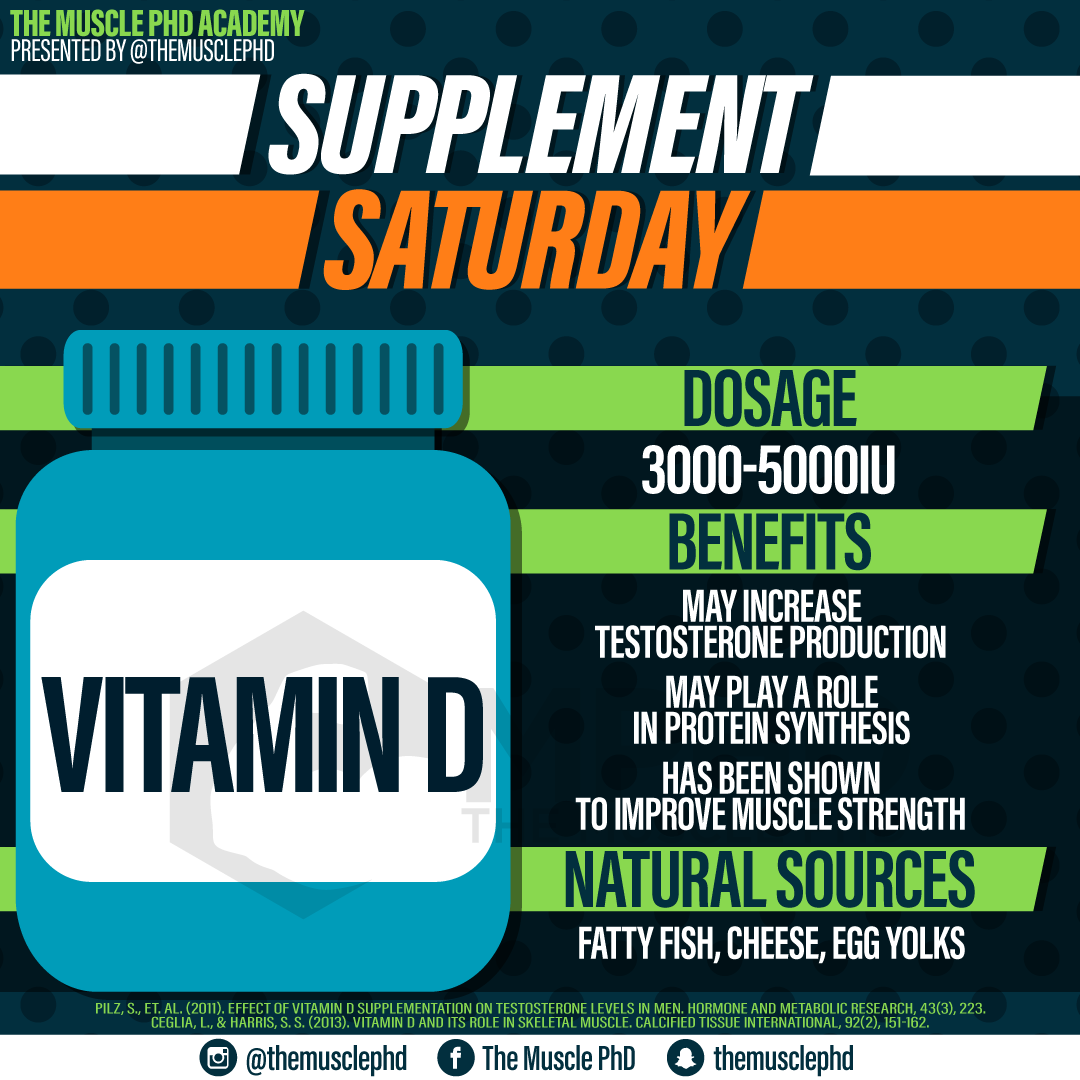
Vitamin D is more than likely the most important vitamin for athletes and bodybuilders. Vitamin D may slightly increase testosterone production and can also improve muscle strength.
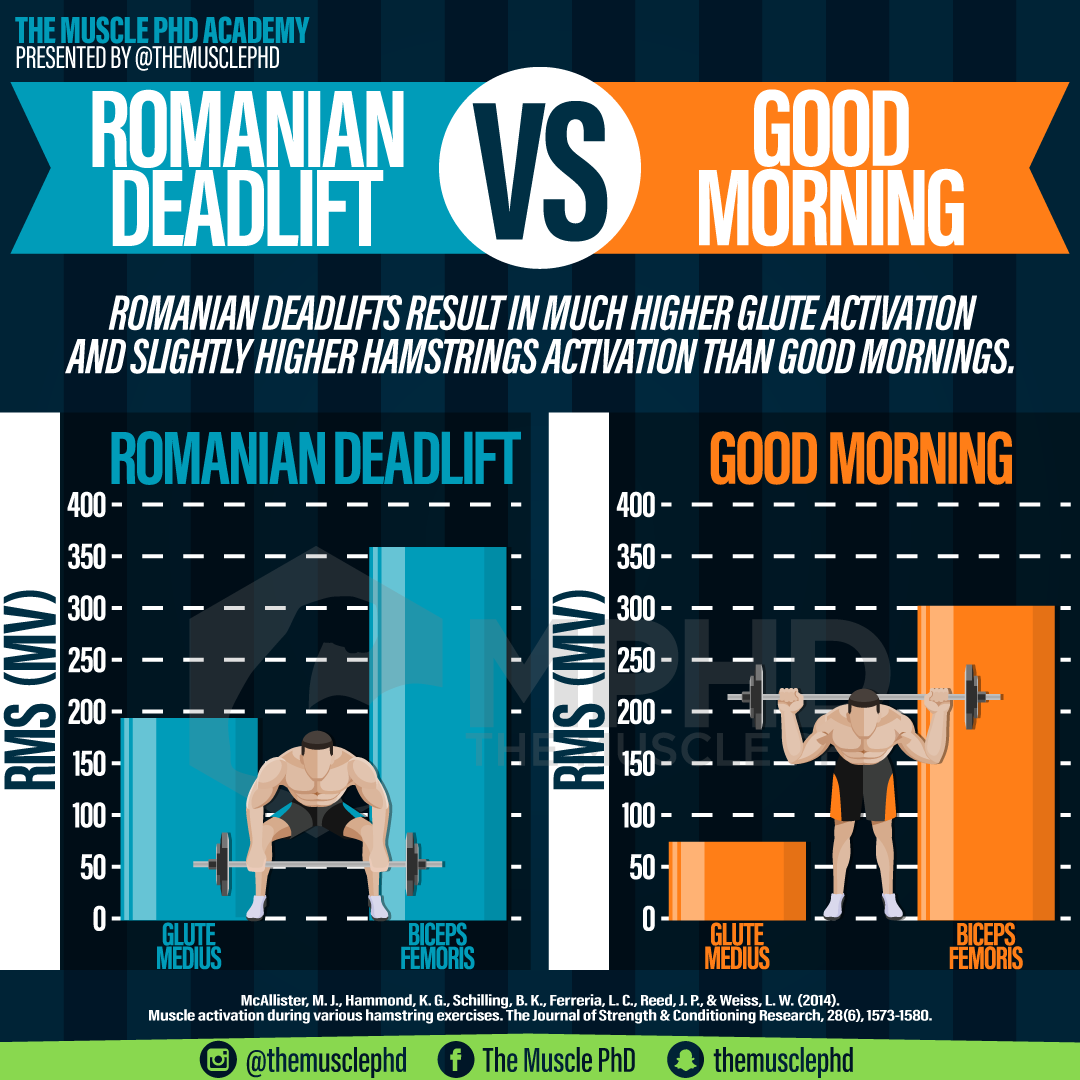
Many bodybuilders use both Romanian deadlifts and good mornings in their training for hamstrings development. However, this study found that these exercises are not that equal.

Many believe in the mantra, “no pain, no gain,” but does that really apply to resistance training? Current literature shows that muscle damage is not necessary for hypertrophy.
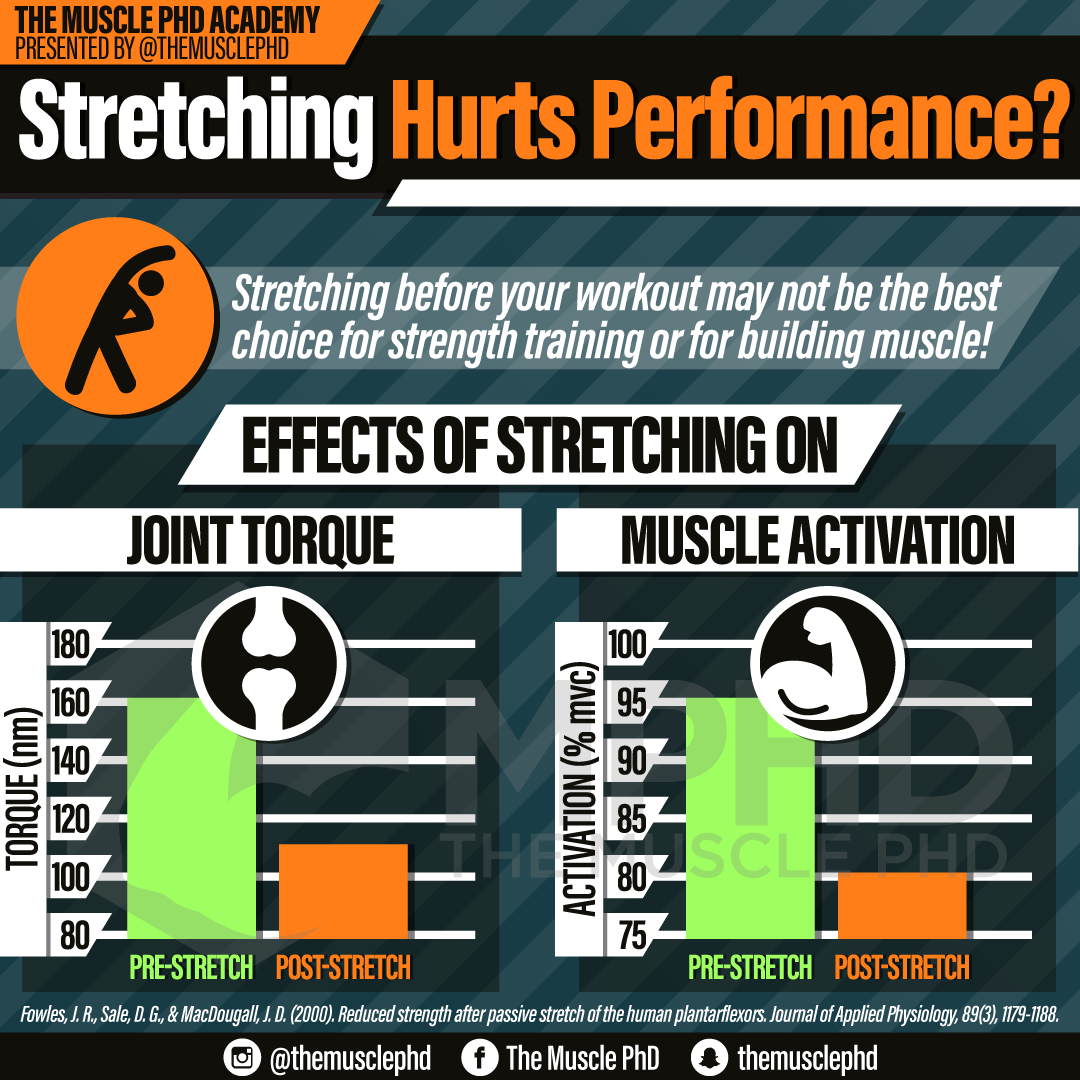
Many athletes and recreational trainers use static stretching as their pre-workout warm up. Is this the best practice to prepare for sports or lifting?

Dr. Jacob Wilson will go over the top 3 research-based ways to immediately improve your sleep and increase your gains.

Dr. Jacob Wilson will discuss research-based ways for bodybuilders to gain muscle and lose fat at the same time.
In this episode of the Muscle PhD Live Academy we will discuss advanced training variables and we’ll be answering community questions
In this episode of the Muscle PhD Live Academy we will discuss pre workout nutrition. What should you eat and supplement with pre workout
In this episode of the Muscle PhD Live, we will be discussing Biceps Training. This is a great discussion on how to optimize your arm training

This week, we’ll take last week’s topic of constant tension and show you some practical applications to this very powerful tool that can build a great physique without the stress on the joints that traditional heavy weight training has.