

Articles
Writing your own Program Part 1
Writing a solid training program is one of the most nuanced tasks in the fitness field. How can you go about creating your own program? We’ll get into the nitty gritty in this series.

Writing a solid training program is one of the most nuanced tasks in the fitness field. How can you go about creating your own program? We’ll get into the nitty gritty in this series.

Some aspects of science aren’t immediately applicable to training, but understanding muscle architecture can help round out your exercise science knowledge.

Many bodybuilders perform fasted cardio or fasted training in an attempt to burn more fat as fuel. Is this the best practice for getting shredded?

How different are men and women when considering exercise performance and training adaptations? Let’s dive into what the science says about this topic.

Periodization is a common buzzword in the fitness industry but the word itself is often misunderstood and the theories are misused. How does it work in bodybuilding?

Most folks know that just about any diet plan can support your goals. However, that sentiment is based on diet adherence; how can you improve diet adherence?
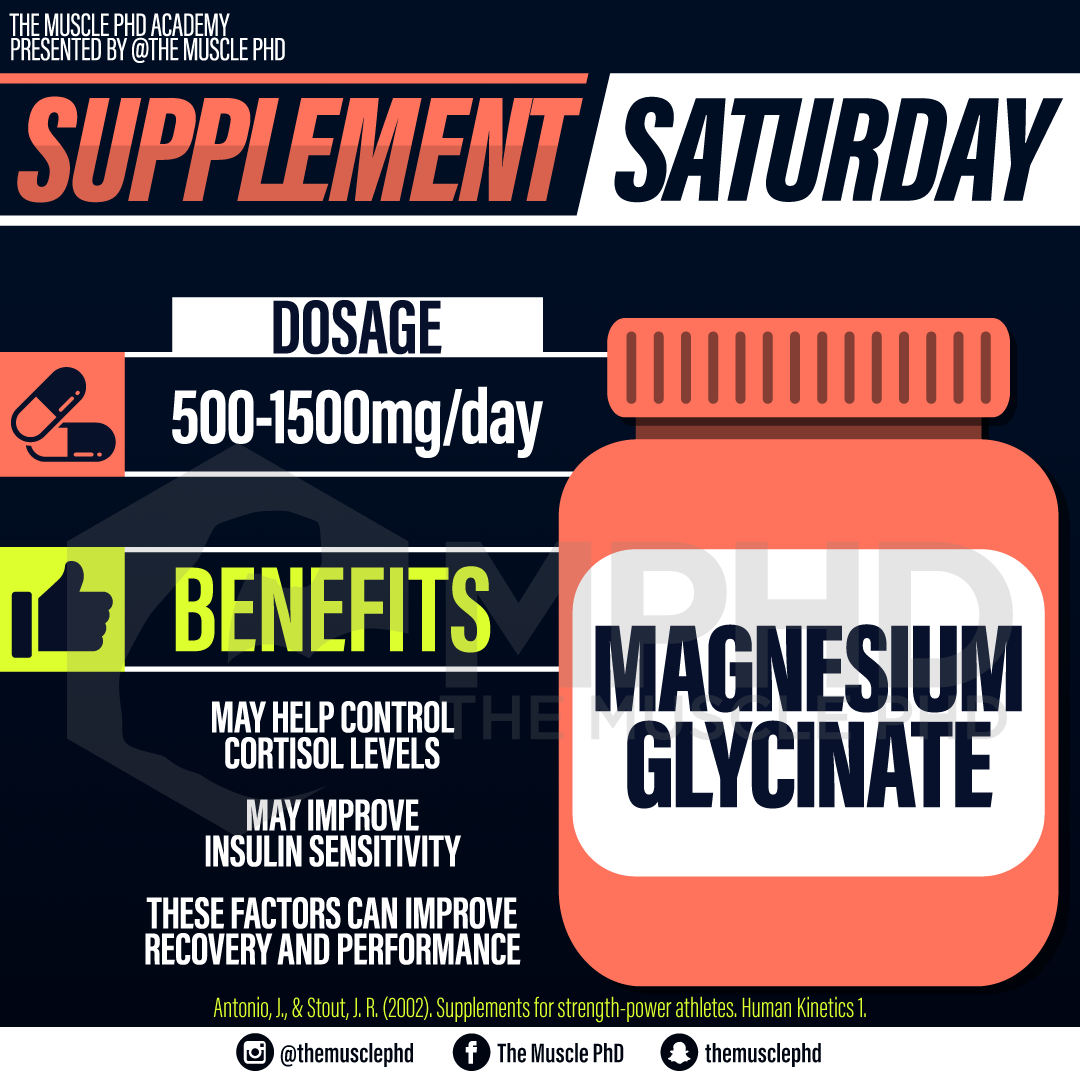
Magnesium is one of the most important minerals for athletes and bodybuilders. It is involved in over 600 enzymatic reactions and plays a crucial role in insulin sensitivity.

A recent review stated that endurance exercise can cause growth similar to resistance training but this benefit only occurs in older individuals. Young individuals do not get this effect.
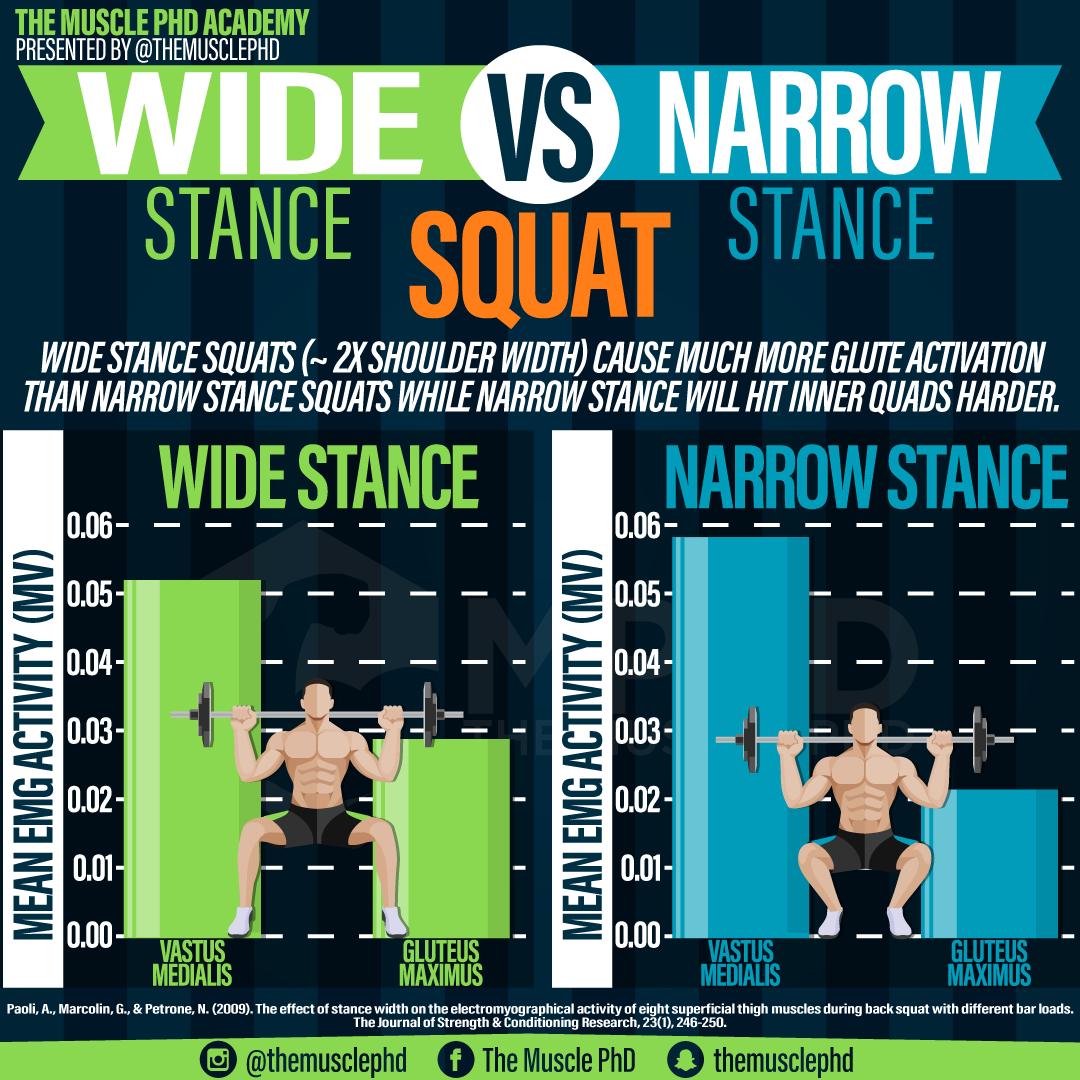
This study confirmed the classic bodybuilding theory that wide stance squats activate the glutes more while narrow stance squats target the quads.

L-Citrulline is one of the most common nitric oxide boosters used in pre-workout formulas. L-Citrulline has been shown to increase exercise performance in multiple studies.
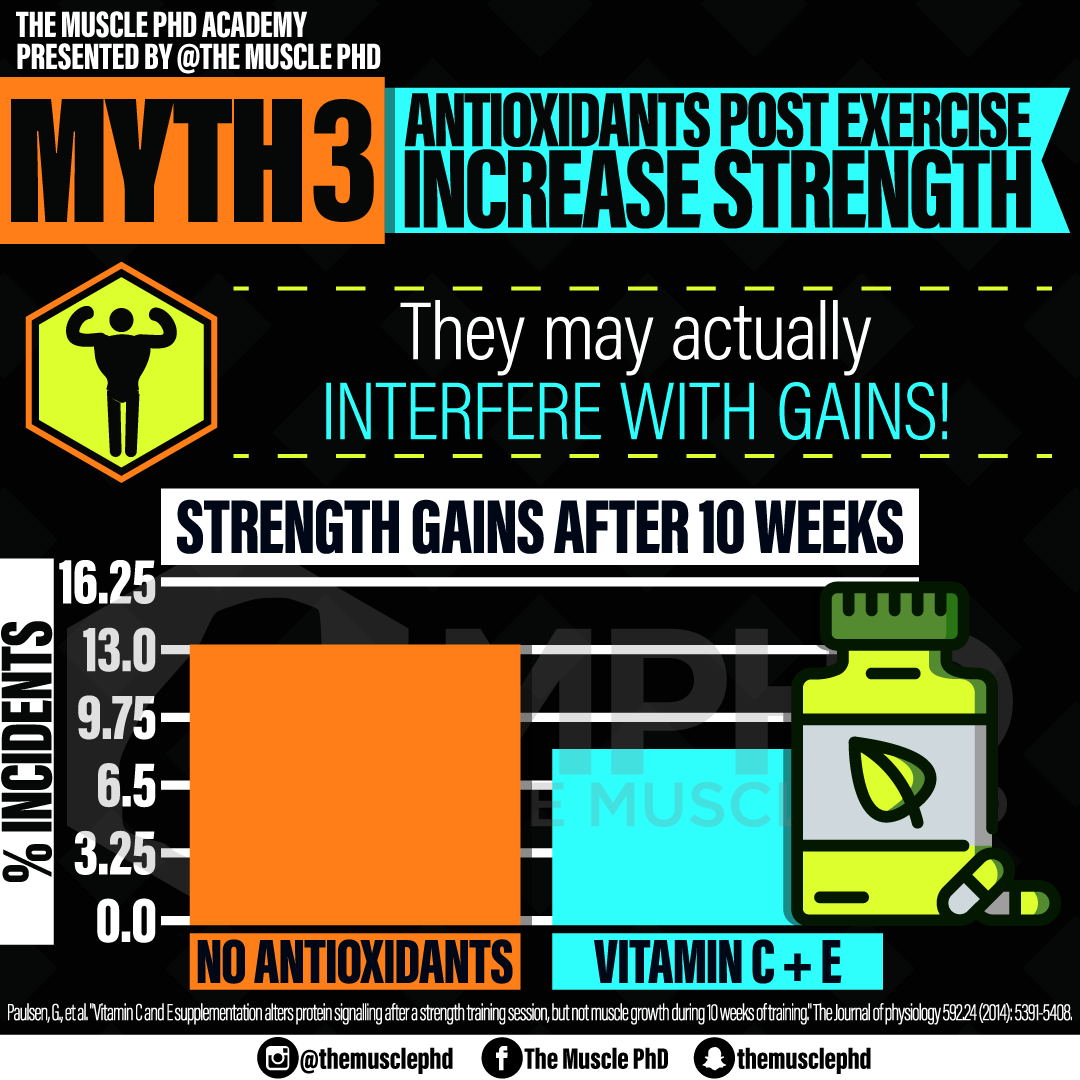
A common supplement myth is that taking antioxidants after resistance training workouts can improve recovery and gains. Is this actually the case?
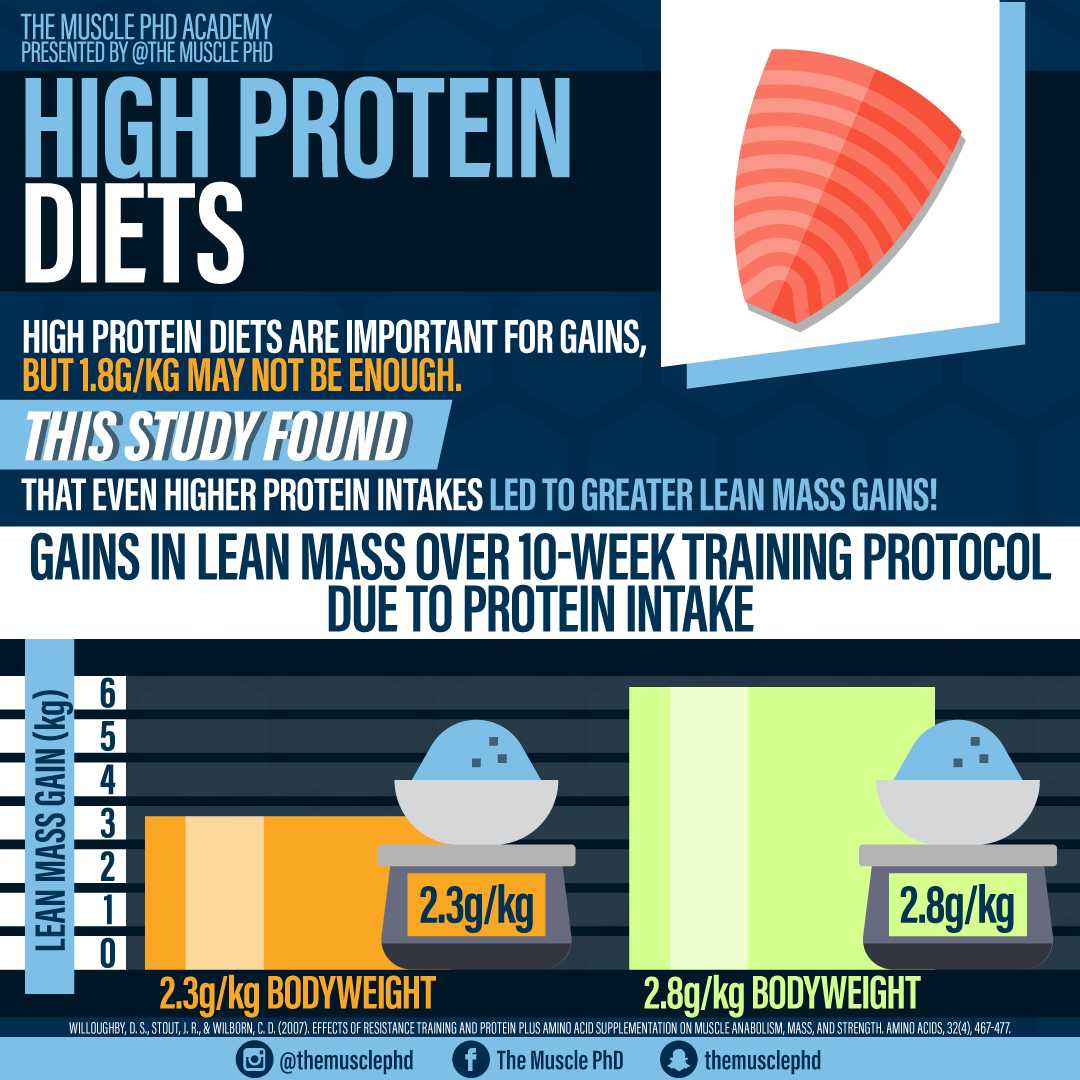
The current recommended protein intake for athletes more than likely isn’t enough protein for the bodybuilder trying to maximize muscle growth. Some studies are showing greater gains with higher protein intakes.
This week we are going to start with this tip. As I mentioned in the previous video, I have some shoulder mobility issues and wrist pain when setting up for the front squat. This week’s hack is a bit more advanced than last week, as it requires this amazing piece of equipment. If you are lucky enough to have one of these in your gym, give this a try and let us know how it has helped you

What are the main traits that separates the pros from the Joes? Motivation and effort. How can you quantify these traits?
We will go over the effects of whey protein vs. whole food on protein synthesis, and how they help you become more anabolic.
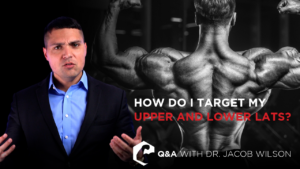
How do you target your upper and lower lats respectively? Dr. Wilson explains how arm position and planar motion can impact the lats.
In this episode of the Muscle PhD Live, we’re going to talk about different diet strategies to help you reach your goals faster

Dr. Wilson will discuss the top 3 reasons your delts aren’t fully developed and discuss techniques to add size to your shoulders.