

Articles
Hypertrophy vs. Hyperplasia
We know that muscles grow through a process called hypertrophy. However, another potential process, called hyperplasia, may exist. What’s the difference?

We know that muscles grow through a process called hypertrophy. However, another potential process, called hyperplasia, may exist. What’s the difference?

Sometimes you get in a training or motivation rut and need a quick pick-me-up to get you going again. This is that pick-me-up. Watch the tagged video for best results.

The fitness industry is full of gurus telling you how to eat and train while offering motivation along the way. However, these gurus often forget a key secret.

Many lifters take NSAIDs or pain killers to alleviate muscle soreness following intense training. Is this the best practice for promoting recovery and gains?

We’ve all heard the classic mantra, “No pain, no gain.” Is this really true? Do you really have to train to failure and cripple yourself to make gains?
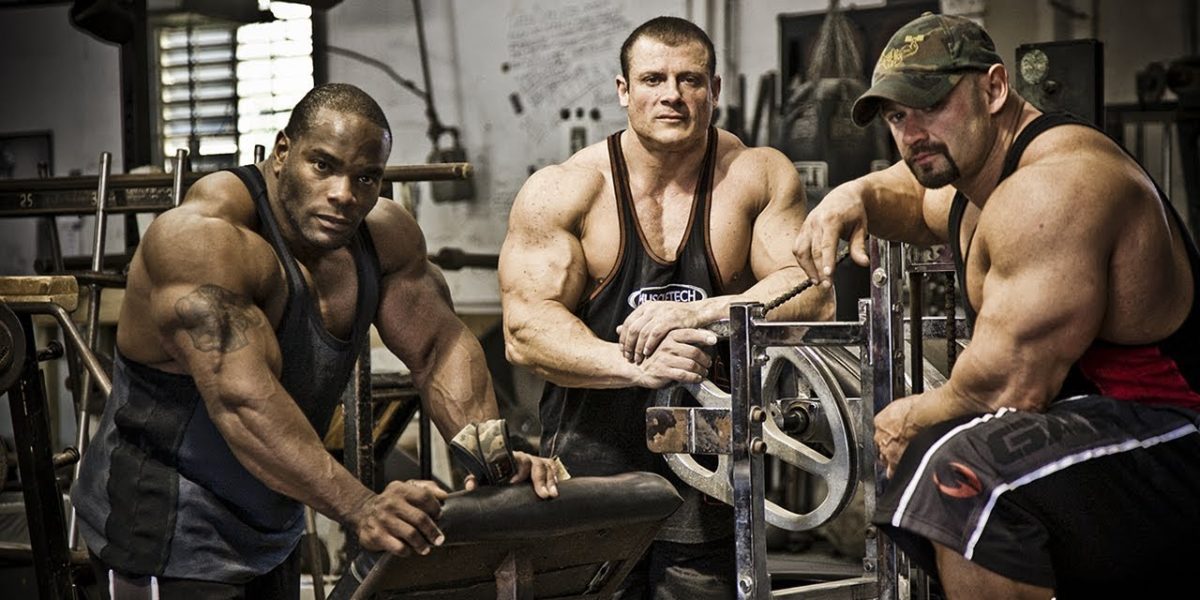
Just about everyone has had a bad training partner in the past. How do you know that you’re not the bad training partner in everyone else’s past? Let’s discuss.


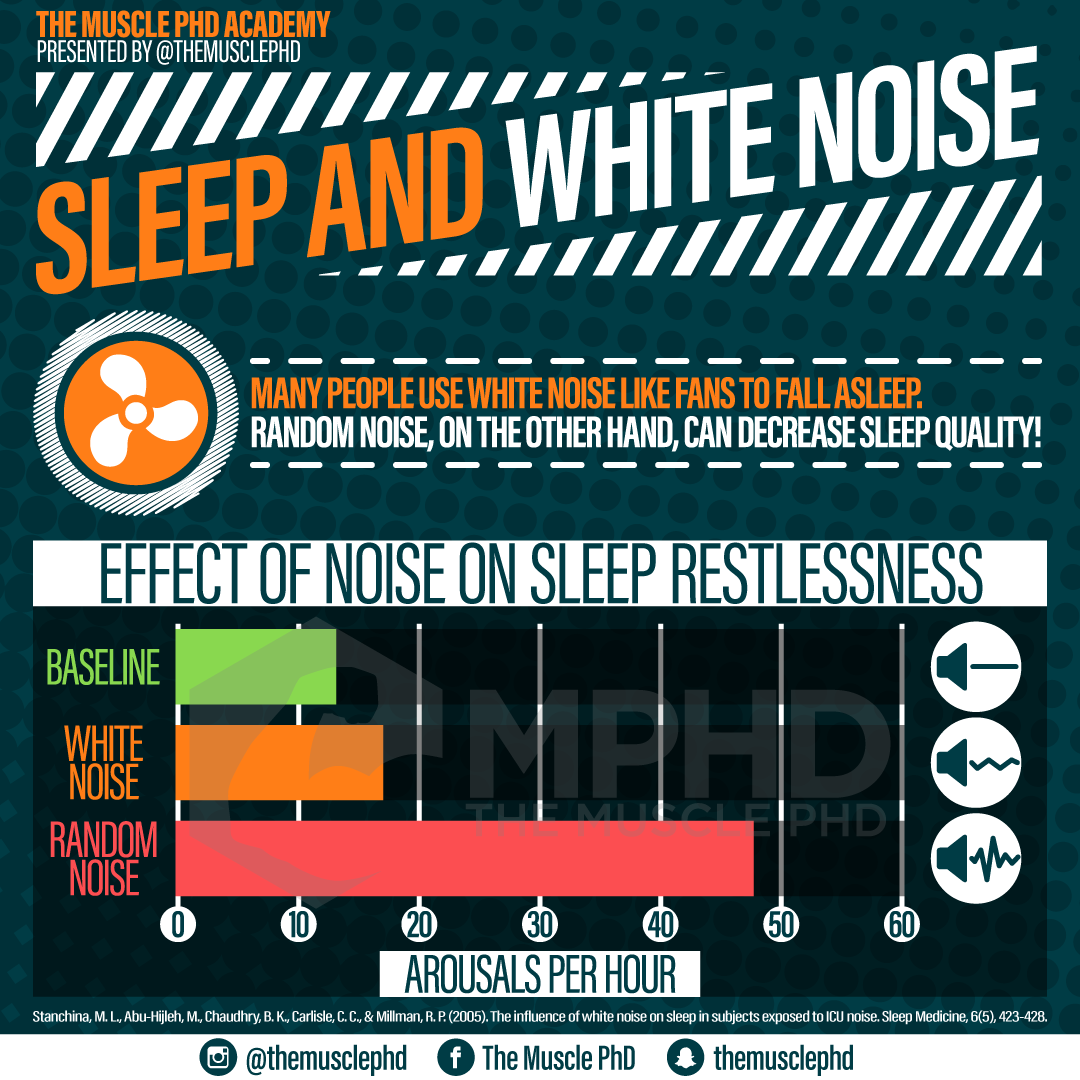
Improving sleep quality is an important factor in the recovery process for athletes and bodybuilders. This study found that using white noise strategies significantly improved sleep quality.
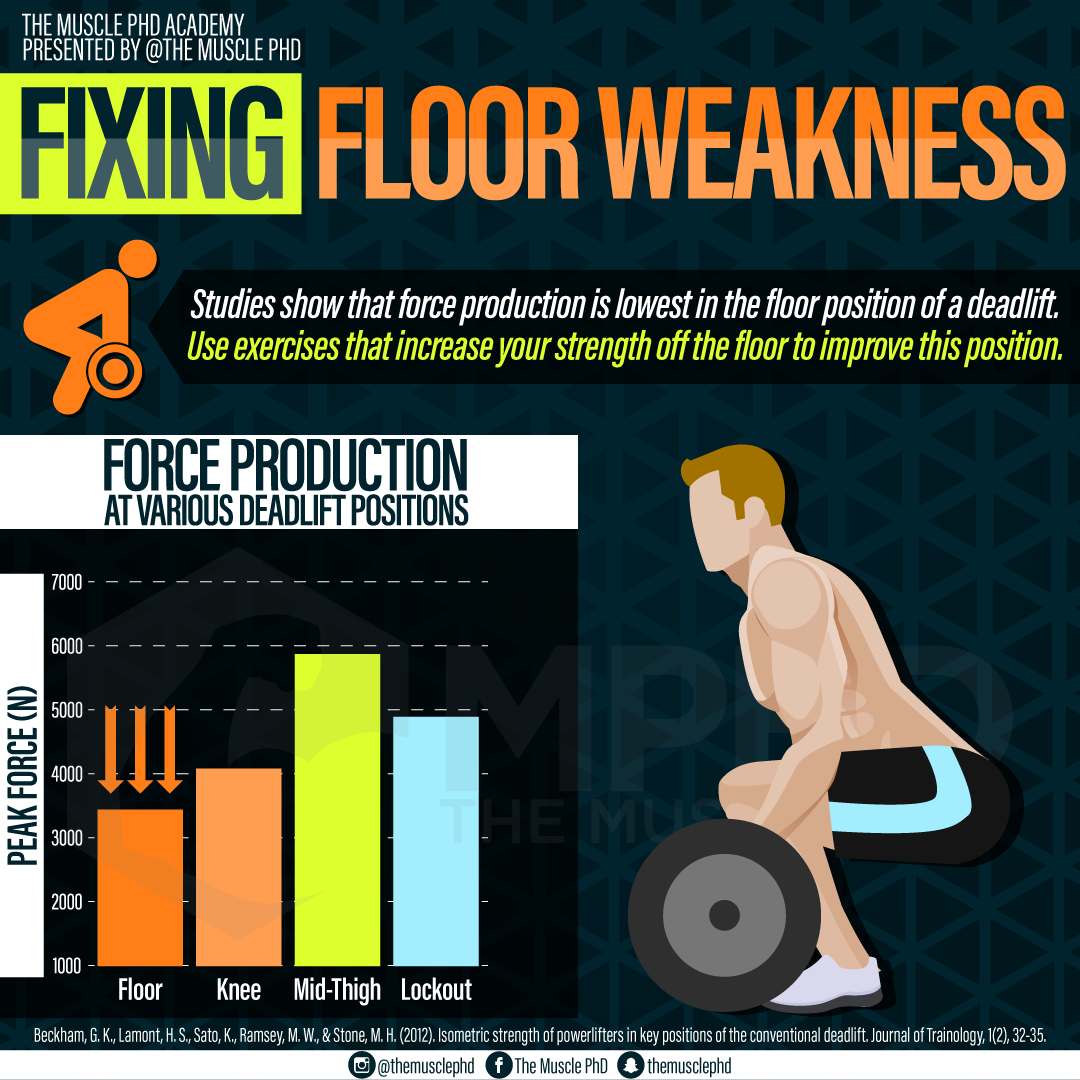
Some lifters experience difficulty pulling from the floor during the deadlift. Mobility work may be necessary for beginners, but advanced lifters need specific training to overcome this.
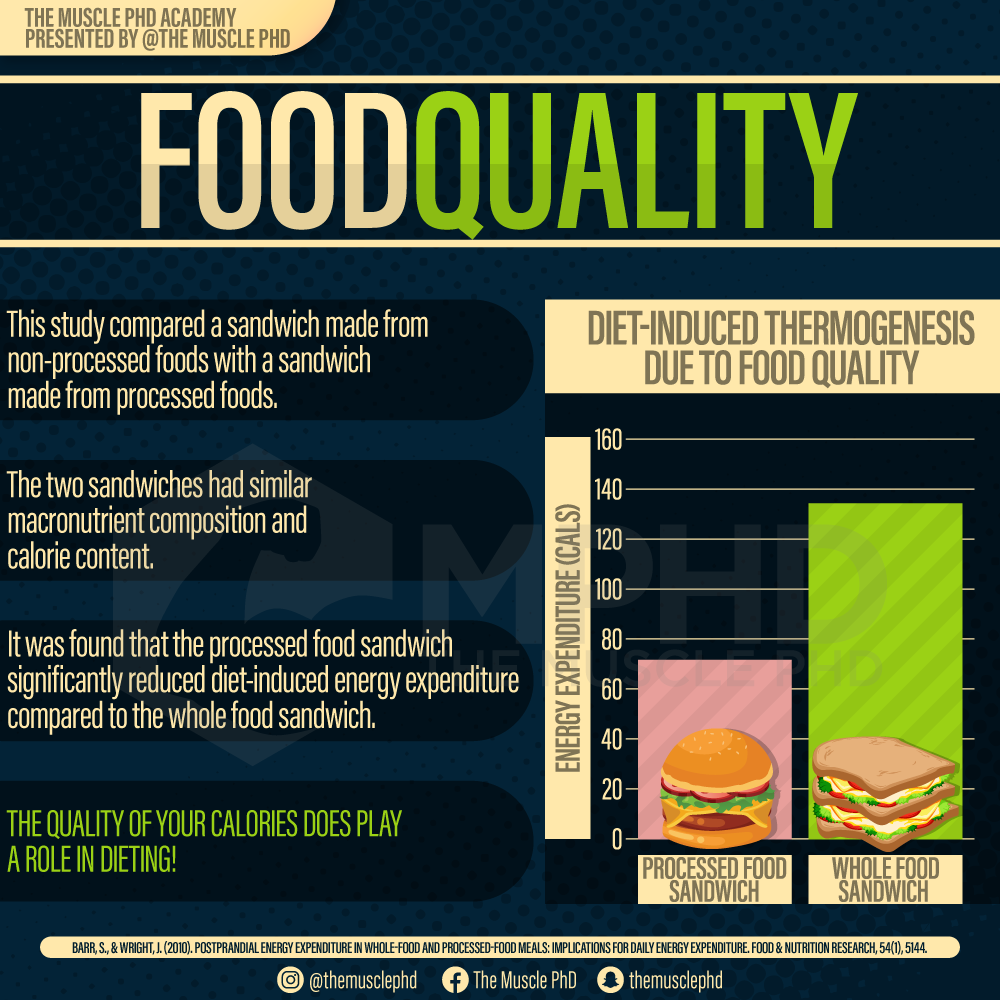
We often hear that energy balance is simply the difference between calories in and calories out. Is it really that simple?
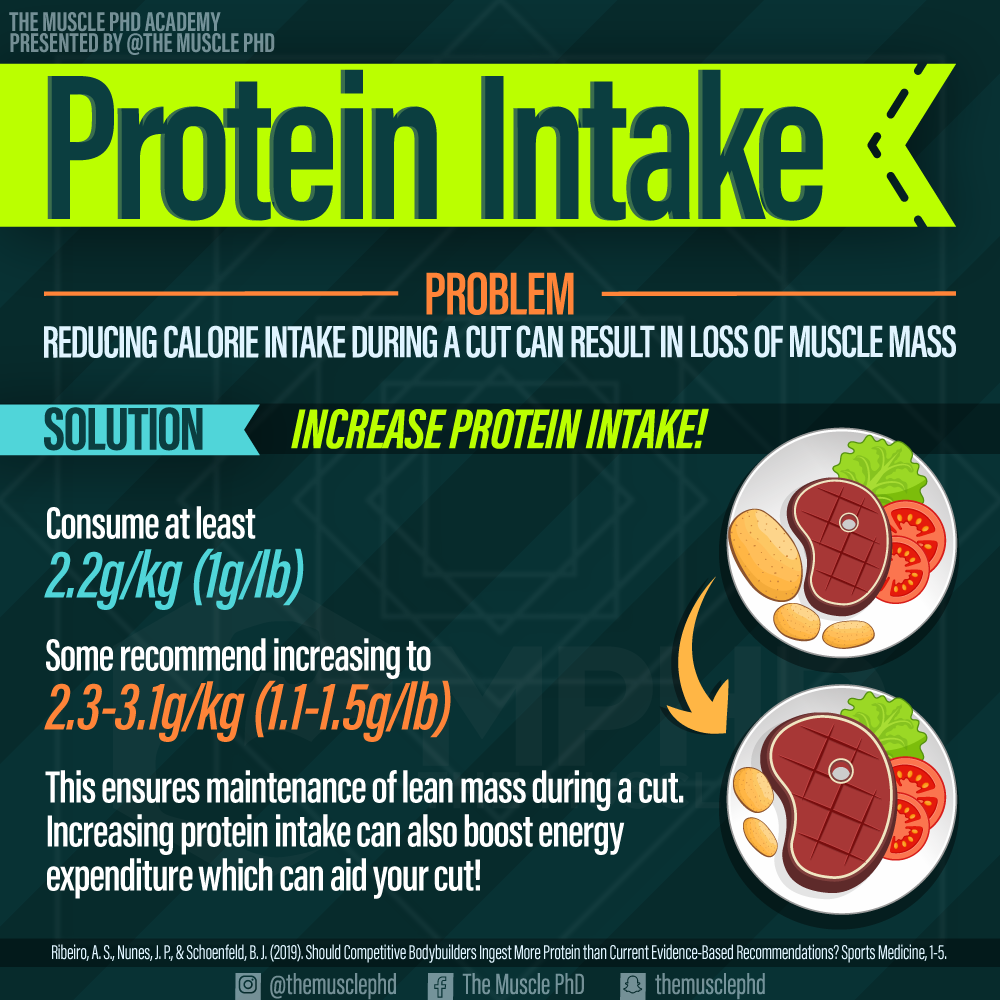
We know that a calorie deficit is necessary for getting shredded, but how does protein play into this deficit? Should you also cut protein?
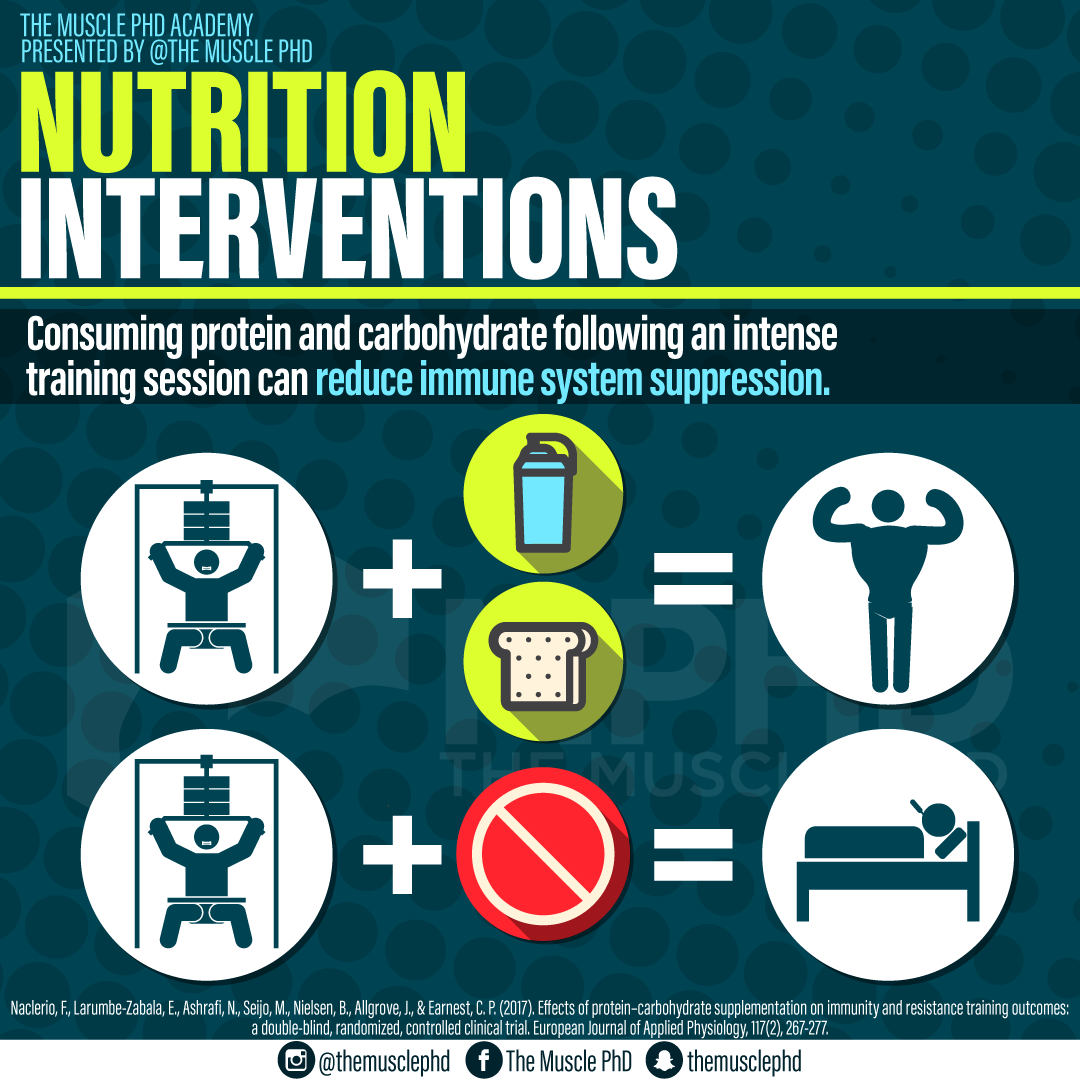
Post-workout nutrition is often touted as important for gains and recovery, which is certainly true, but proper nutrition at this time can also improve immune function.
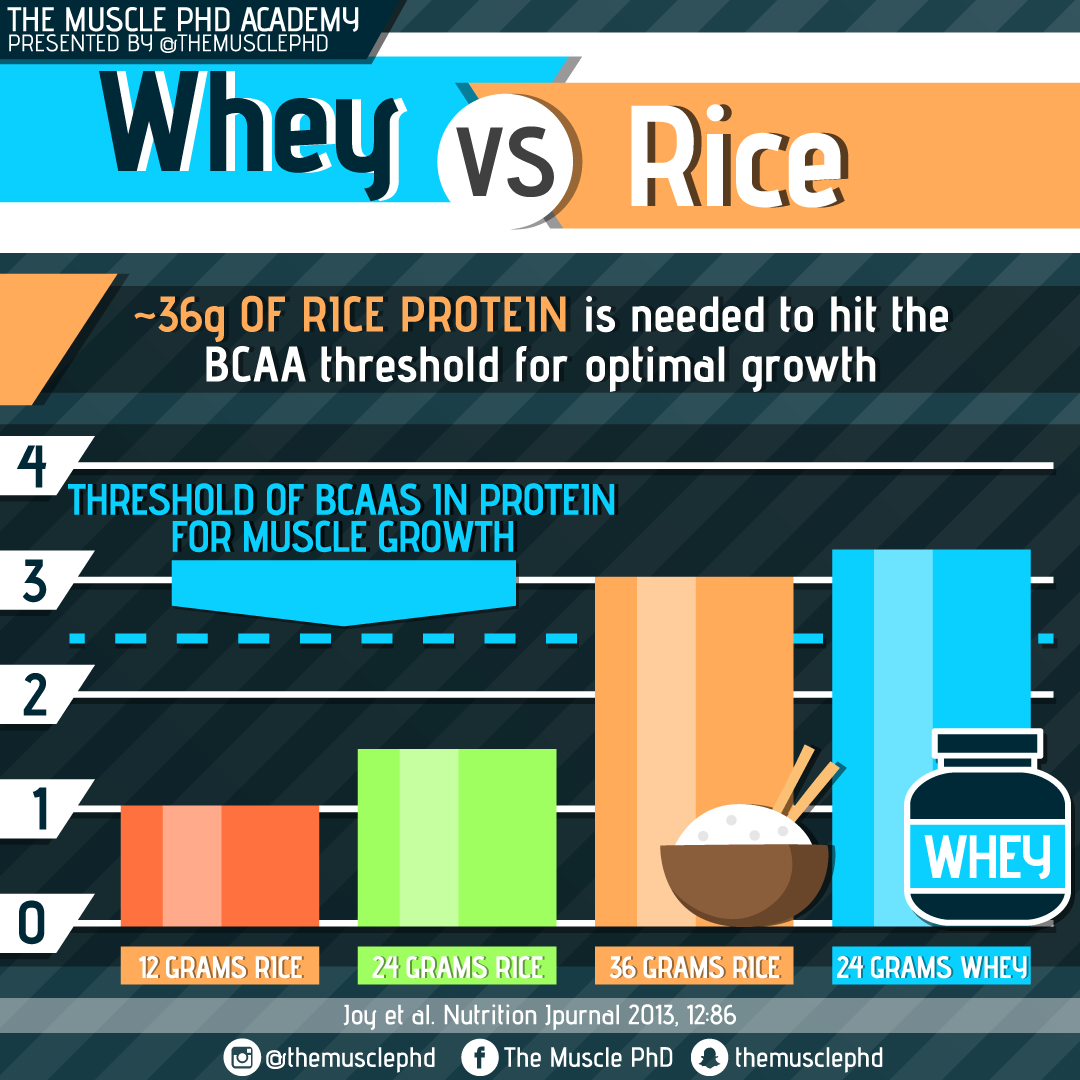
This study found that larger doses of rice protein are necessary to induce anabolism when compared to smaller doses of whey protein.
In today’s video, we will discuss ways to calculate your Vo2Max.Vo2Max is the maximum rate of oxygen consumption measured during incremental exercise; that is, exercise of increasing intensity. Why is this important for strength athletes and bodybuilders?

Dr. Wilson will discuss the top 3 reasons your lats aren’t growing and some hacks to help you reach that wide wingspan.

How do you know if your CNS (Central Nervous System) is ready to train? How do you get your body ready to attack the iron again?

Dr. Wilson will discuss the power of betaine for bodybuilding. What are the benefits of betaine? Will it help you gain muscle and lose fat?
In this episode of the Muscle PhD Live, we’ll go over ways to help you attain your bodybuilding goals and help you grow.
In this episode of the Muscle PhD Live Academy we will discuss shoulder training and how to properly train them to maximize strength and mass