

Articles
What is Broscience?
Broscience is a term we often hear thrown around, but what does it actually mean? How is a broscientist different from an evidence-based practitioner? Let’s discuss.

Broscience is a term we often hear thrown around, but what does it actually mean? How is a broscientist different from an evidence-based practitioner? Let’s discuss.

Many often tout the importance of proper vitamin and mineral intake in bodybuilders, but how important are micronutrients for gains? Let’s see what the science says.

Mechanical tension has quickly become the main accepted stimulus for muscle growth. What is mechanical tension? Can we measure it? Why would this be important for growth?

Writing a solid training program is one of the most nuanced tasks in the fitness field. How can you go about creating your own program? We’ll get into the nitty gritty in this series.

How do you get psyched up for a big lift? Is there any science behind your method? What are the best ways to get psyched for a lift? Let’s check it out.

Most current scientific reviews state that the optimal protein intake for maximizing muscle gain is well below what many bodybuilders consume. Is this true?





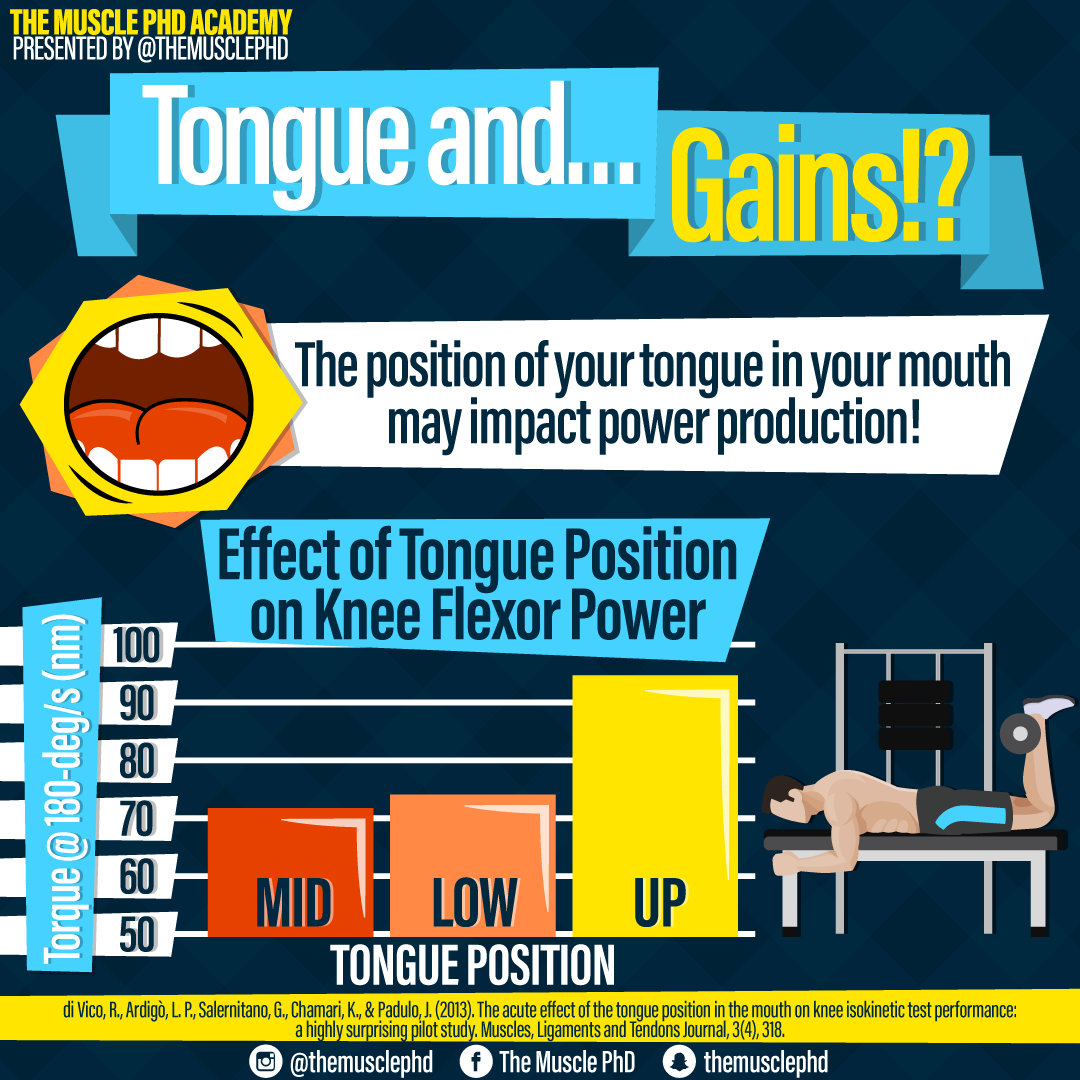
There are many tricks one can use to increase strength but, interestingly enough, the position of your tongue in your mouth may play a massive role!
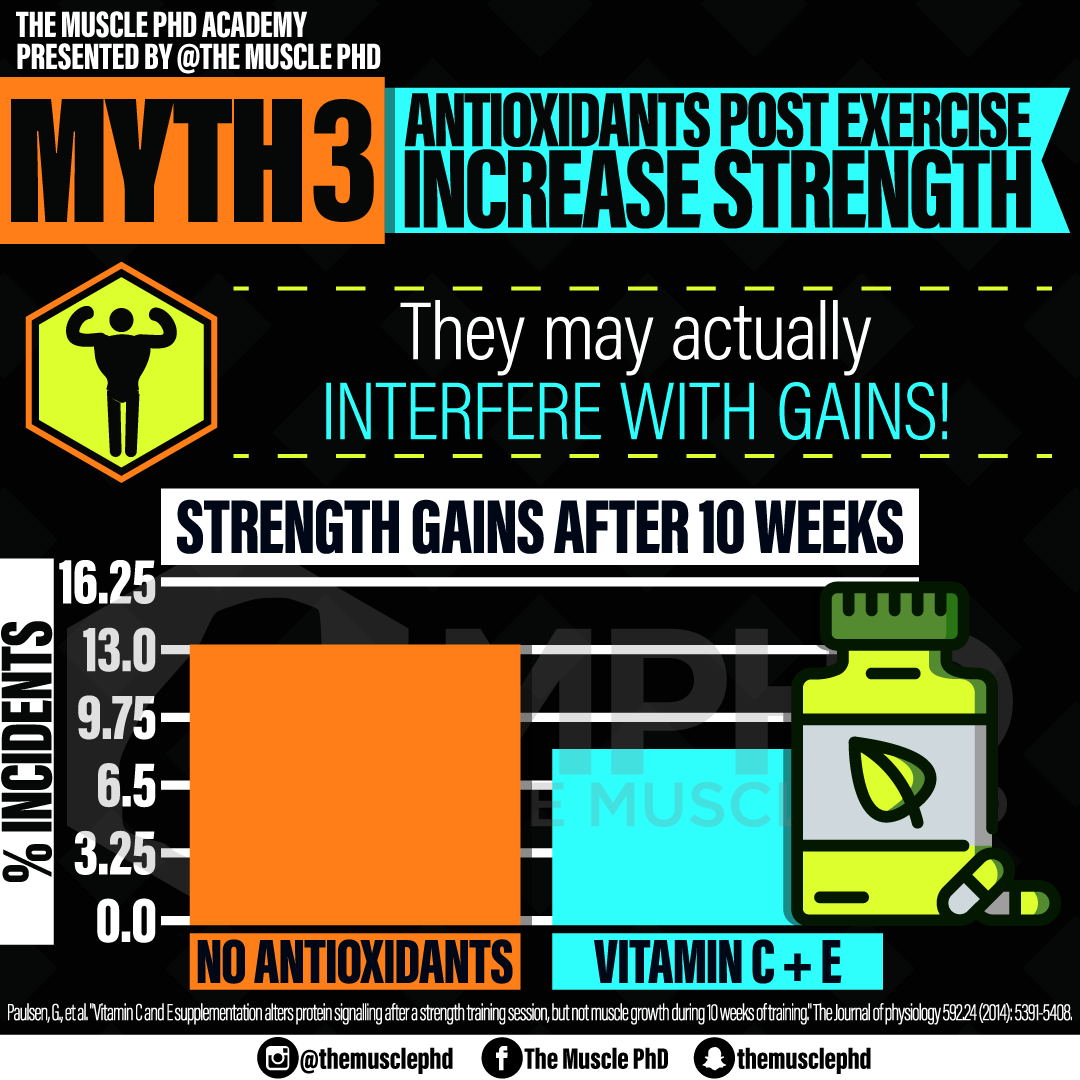
A common supplement myth is that taking antioxidants after resistance training workouts can improve recovery and gains. Is this actually the case?

Most people employ static stretching in an effort to improve flexibility. However, this study found similar improvements in flexibility from resistance training compared to stretching.
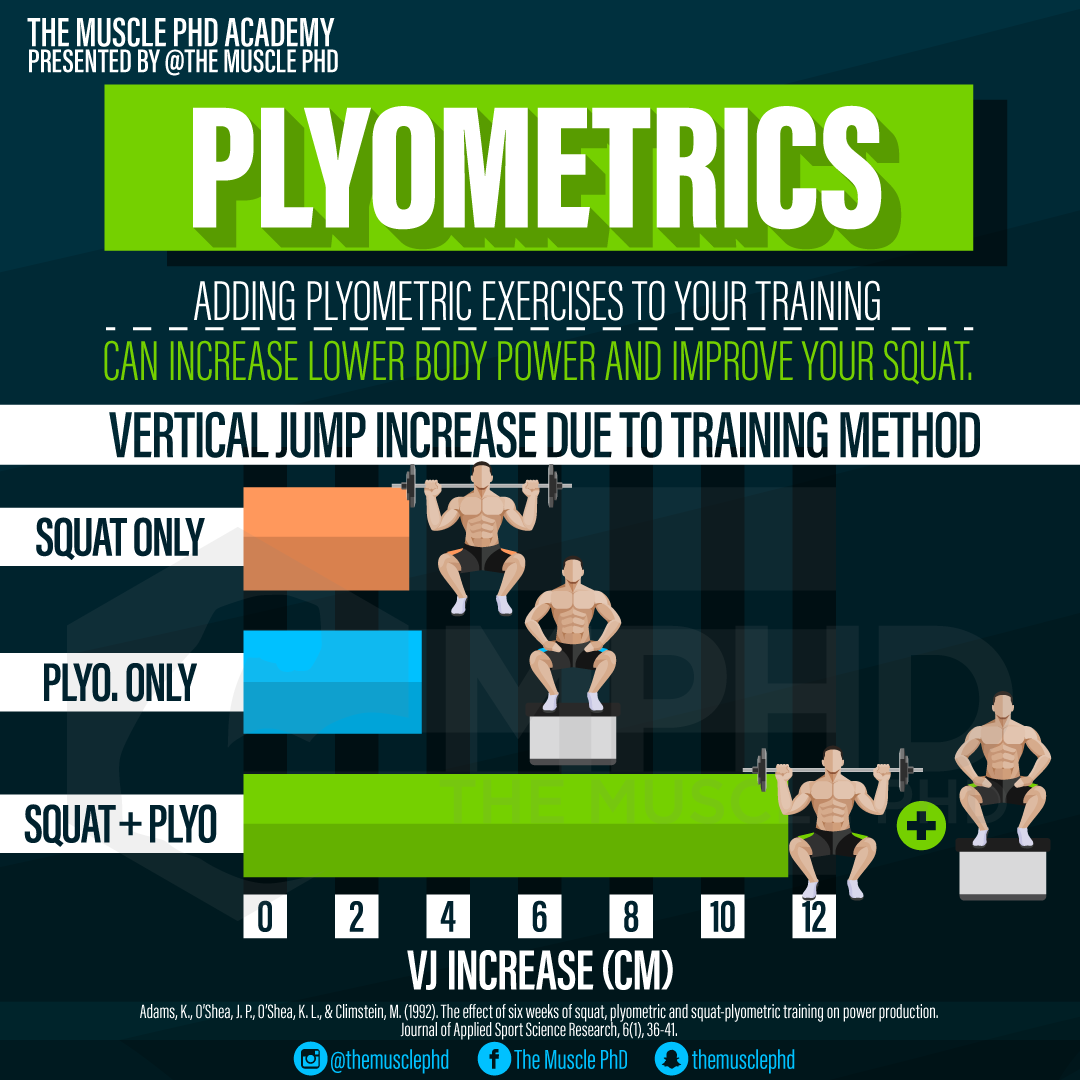
Many methods exist for improving squat strength, however, not many people incooperate plyometrics into their training. Plyometrics can greatly increase lower body power.

The mind-muscle connection is a popular strategy for bodybuilders but it may not be best for strength athletes. This study found that force production was reduced when subjects used the mind-muscle connection.
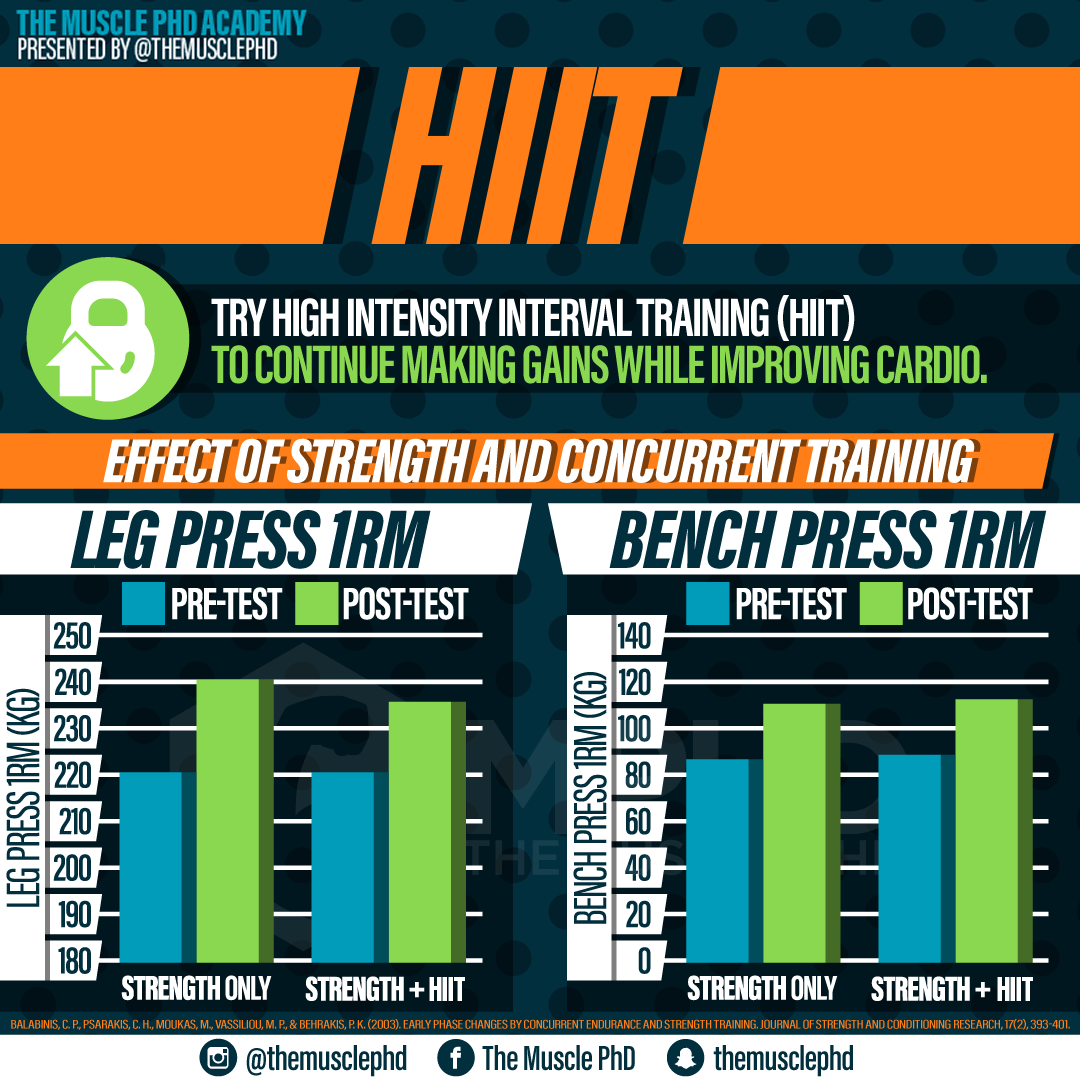
Steady-state cardio can interfere with muscle growth, but high-intensity interval training may be a better bet for the bodybuilder looking to stay healthy while maximizing growth.

In today’s video, we will discuss ways to calculate your Vo2Max.Vo2Max is the maximum rate of oxygen consumption measured during incremental exercise; that is, exercise of increasing intensity. Why is this important for strength athletes and bodybuilders?

Is intra-workout nutrition important? We discuss the importance of intra-workout nutrition and your nutrient intake to increase anabolism.
In this episode of the Muscle PhD Live Academy we will discuss the ketogenic diet and it’s effects on your metabolism
In this episode of the Muscle PhD Live Academy we will discuss accommodating resistance and we’ll be answering community questions

In this episode of the Muscle PhD Live Academy we will discuss intermittent fasting and we’ll be answering community questions

In this video, we’ll be talking about the importance of sleep for recover and muscle growth. We will also be answering viewer questions