

Articles
Are Deadlifts Dangerous?
Many in the field claim that deadlifts are an inherently dangerous exercise. Is this claim supported by science? Or is something else going on?

Many in the field claim that deadlifts are an inherently dangerous exercise. Is this claim supported by science? Or is something else going on?

Bodybuilders often spend the entire winter bulking and building slabs of muscle, but what happens when beach season rolls back around? Let’s discuss.

In this piece we cover the latest science on the determinants of muscle hypertrophy and how you can apply this information in your own training.

Mechanical tension has quickly become the main accepted stimulus for muscle growth. What is mechanical tension? Can we measure it? Why would this be important for growth?

The bodybuilding community has rallied around the squat and hip thrust for glute development, but which exercise is better? New research may have the answer.

Most current scientific reviews state that the optimal protein intake for maximizing muscle gain is well below what many bodybuilders consume. Is this true?


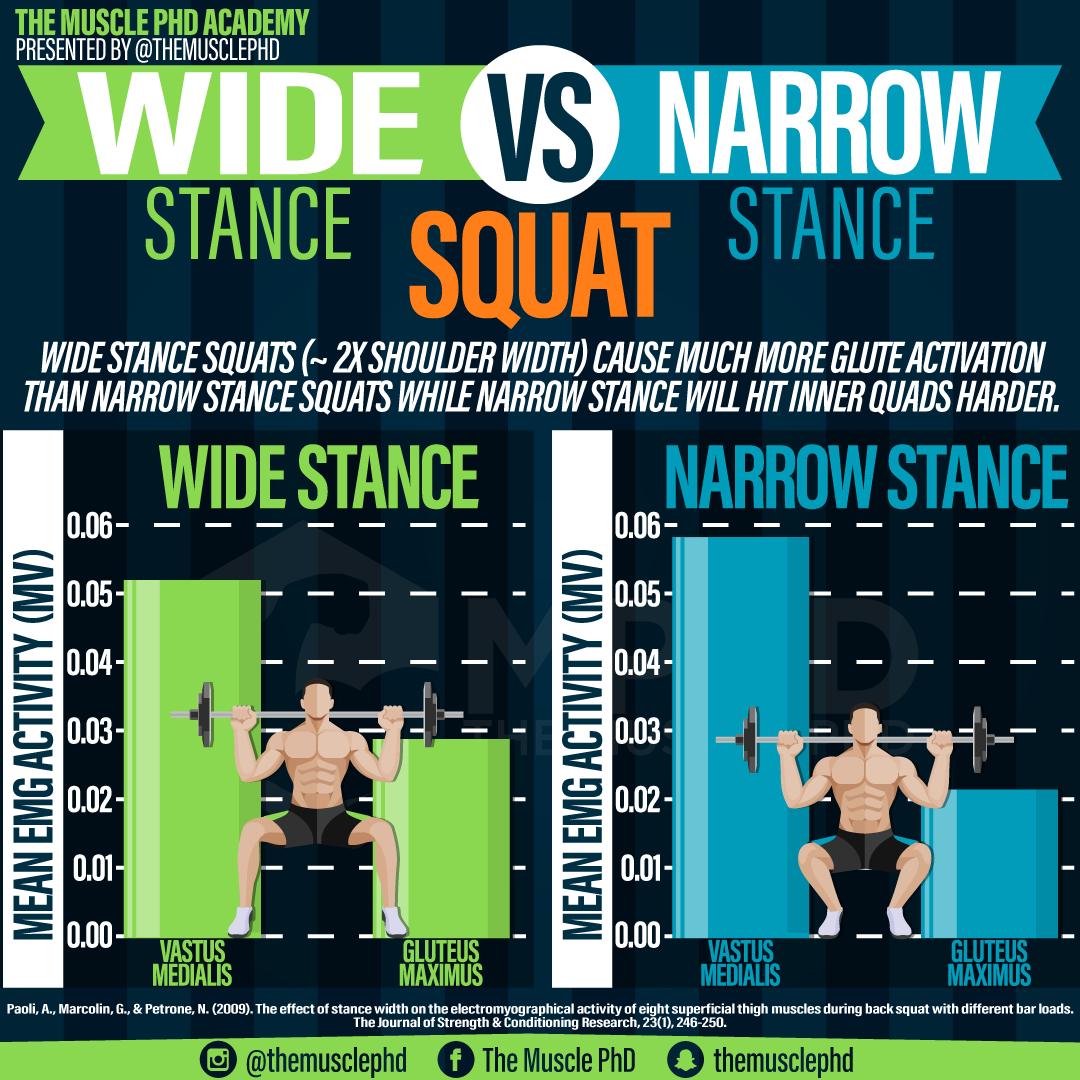
This study confirmed the classic theory that wide stance squats will target the outer quad and glutes more while narrow stance squats emphasize the inner quads more.
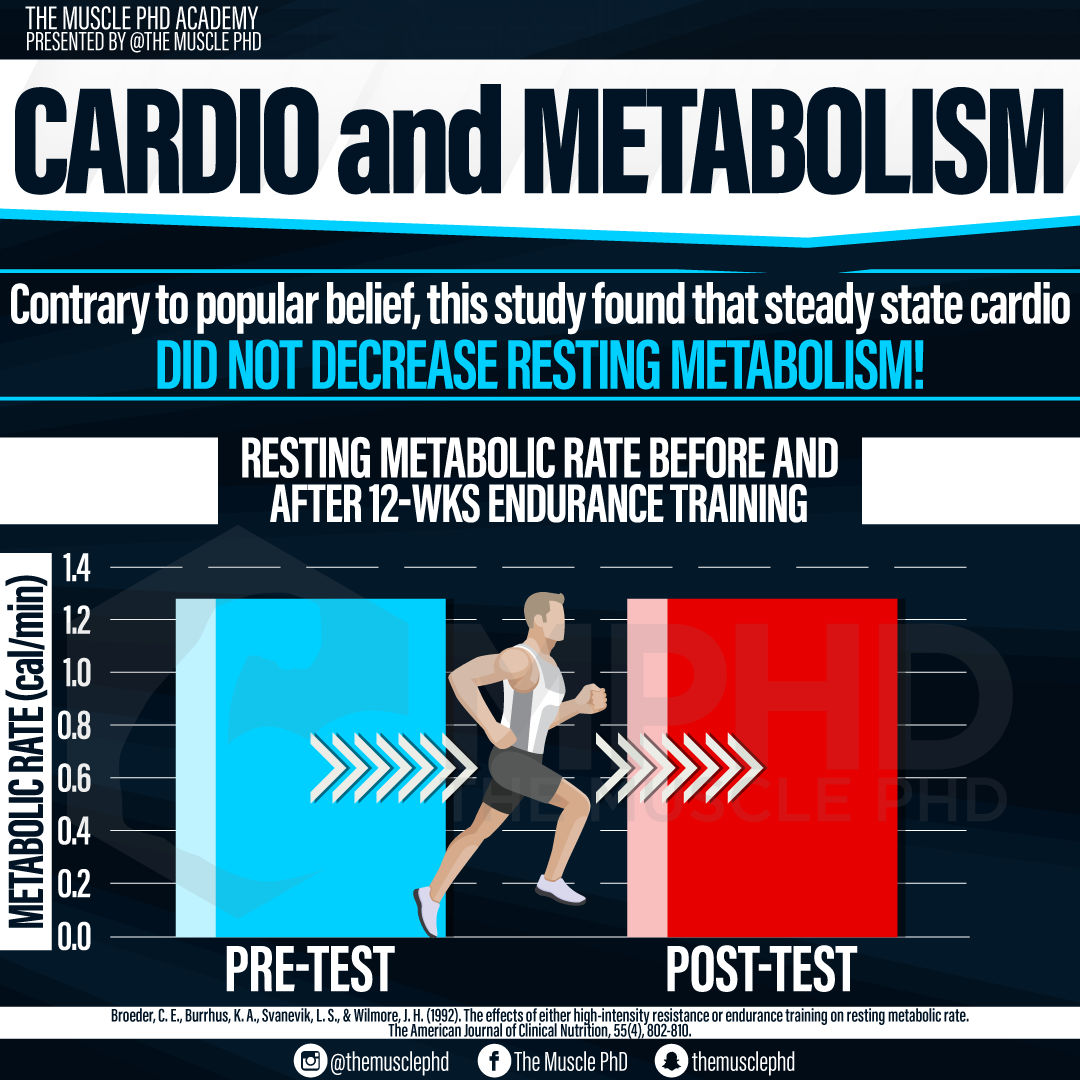
Many in the fitness community think that performing steady state cardio will reduce your resting metabolism. However, this study found that not to be the case!
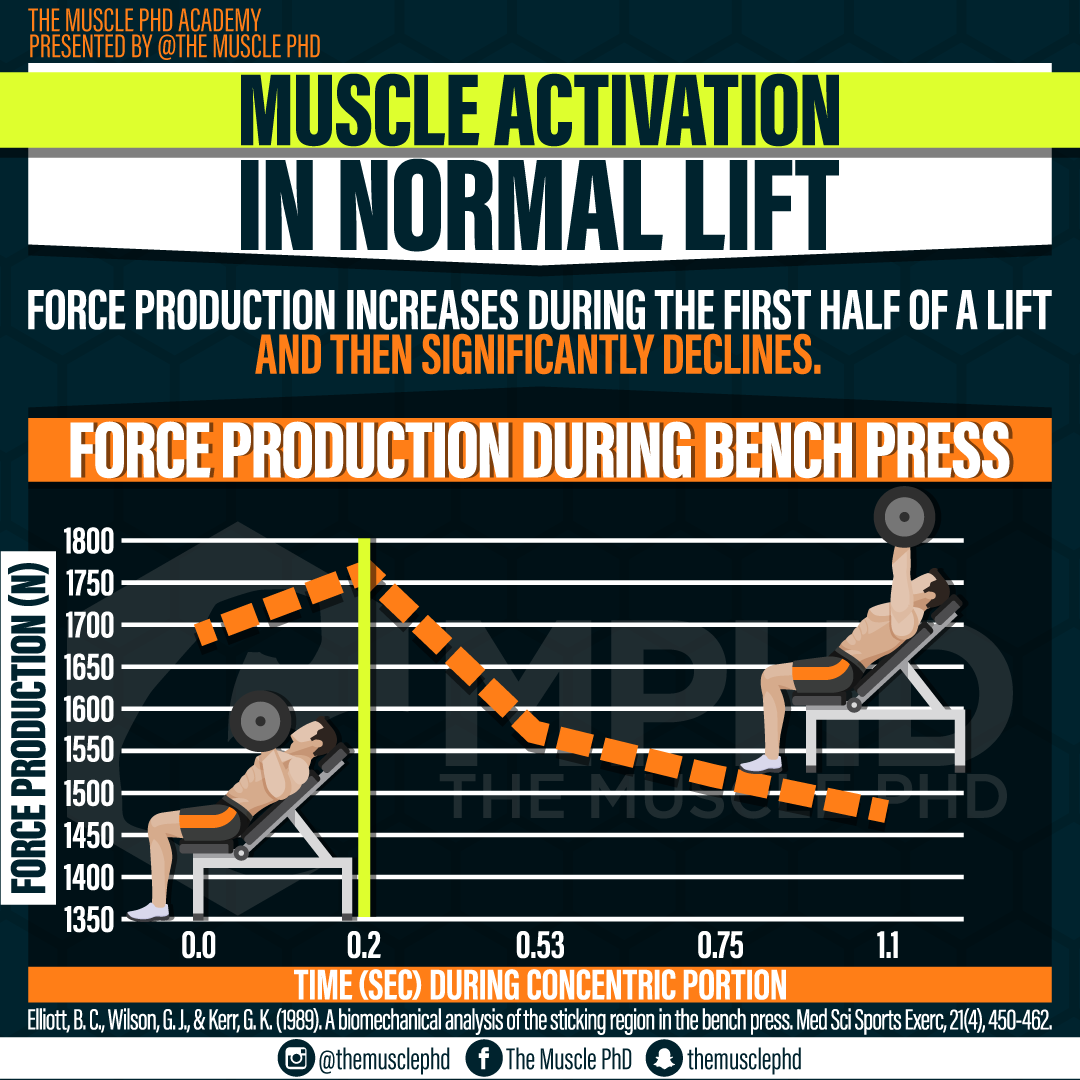
Studies show that muscle activation during a normal lift reduces throughout the positive portion of the lift. This is due to a few different factors but represents an area of a lift that requires more training.
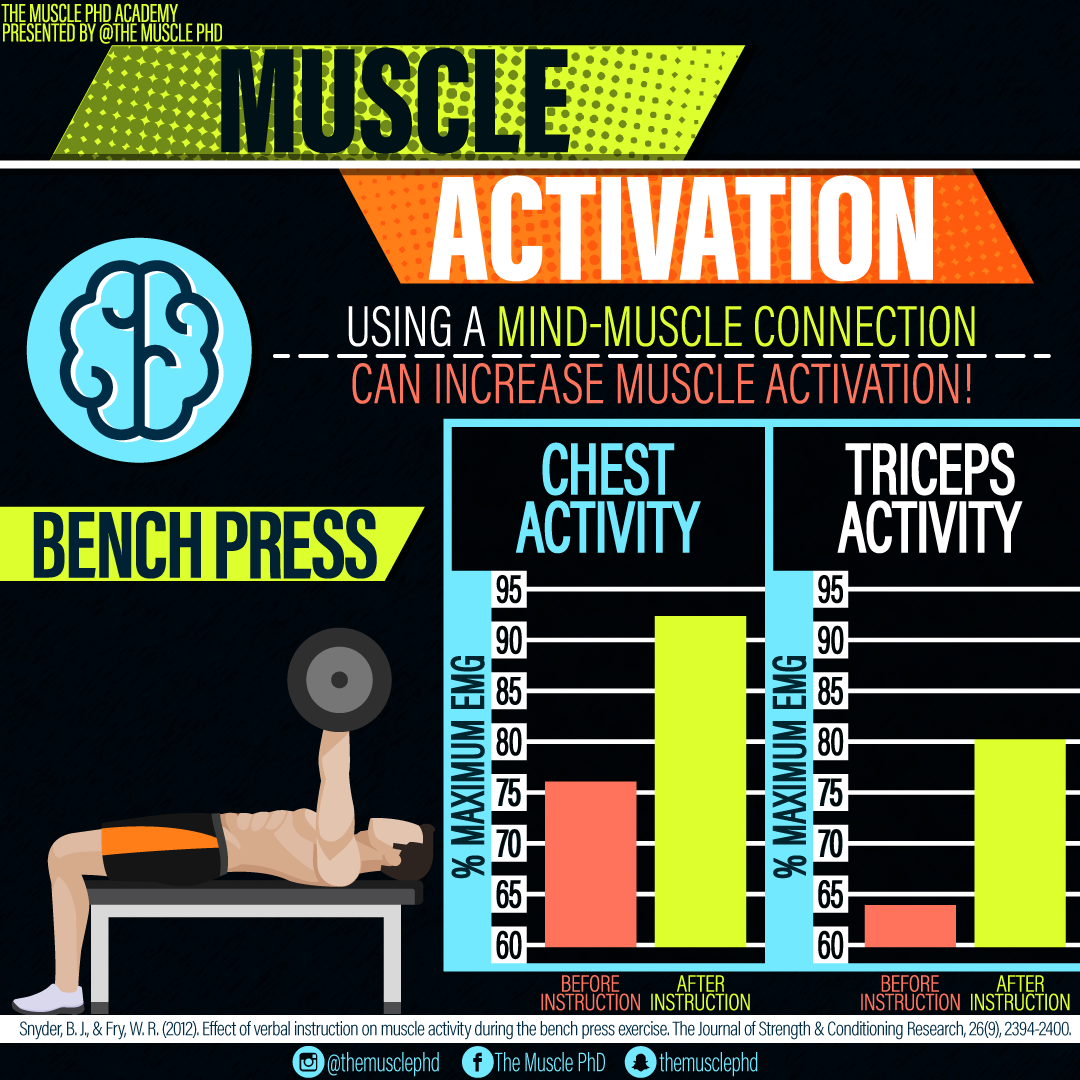
This study found that concentrating on specific muscle groups using the, “mind-muscle connection” can increase muscle activation during resistance training.
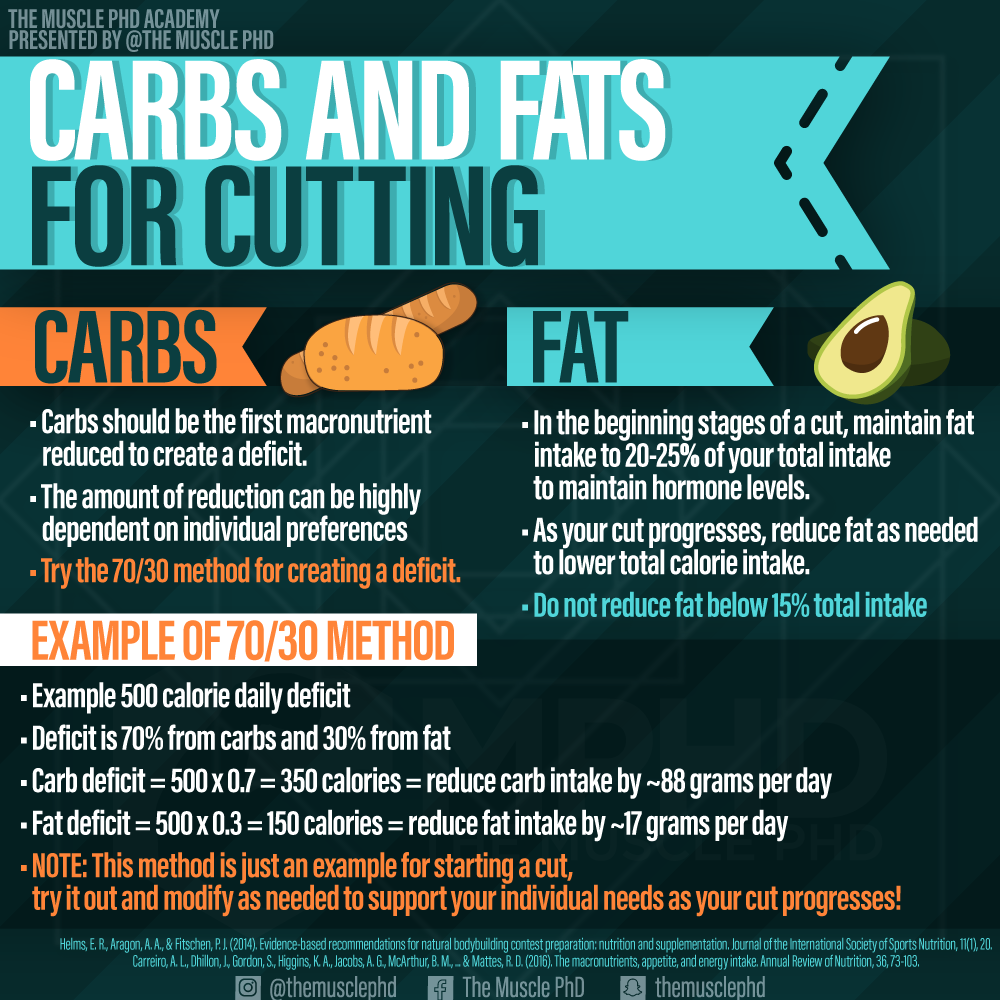
Creating a calorie deficit is important for a successful cut. How should you go about creating this deficit?
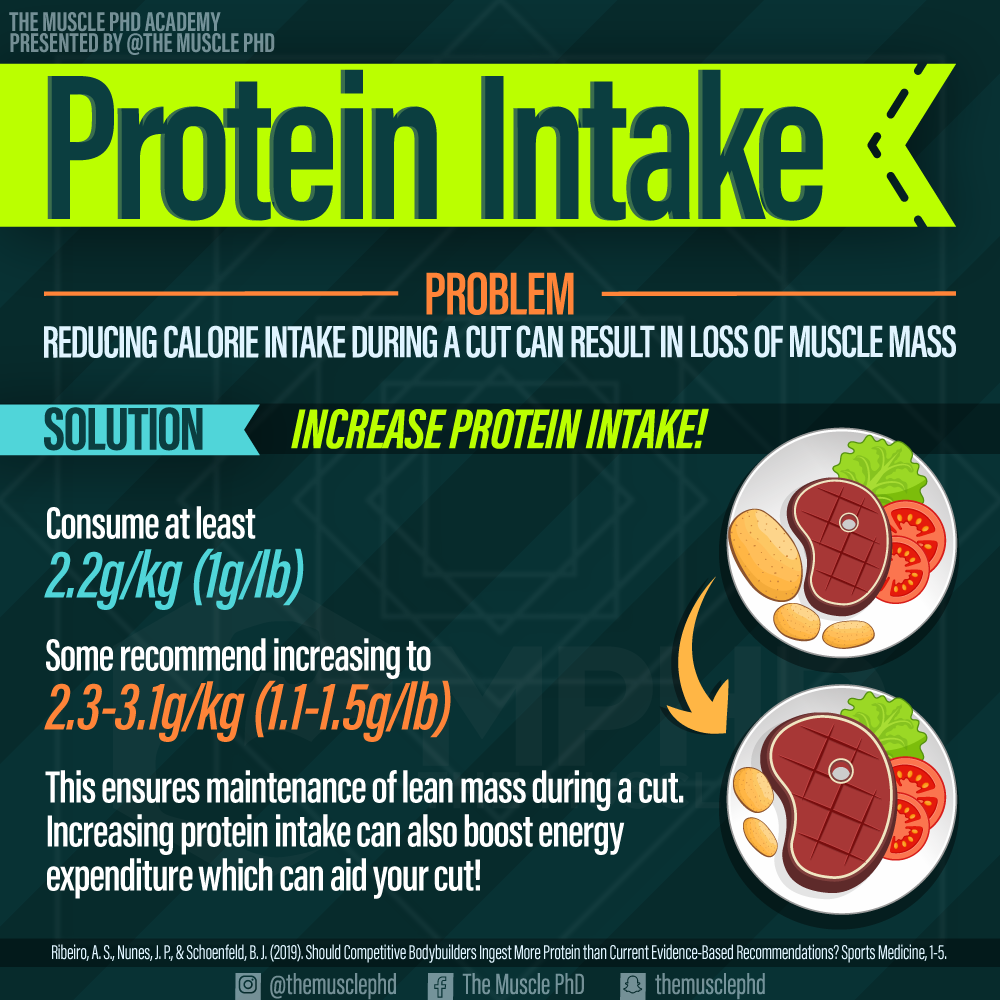
We know that a calorie deficit is necessary for getting shredded, but how does protein play into this deficit? Should you also cut protein?
How do I limit gaining fat on a bulk? Dr. Wilson will explore intermittent fasting, fasted cardio, and calorie cycling.

How many calories do you need to add size? What is the ideal calorie intake for the skinny guy packing muscle, or the aspiring mass monster?

In part 2 of this series, Dr. Jacob Wilson will go over the best ways to gain muscle and lose fat through nutrition and lifestyle changes.
Dr. Wilson will discuss the benefits of collagen supplementation, the best sources of collagen, and the best times to take it.
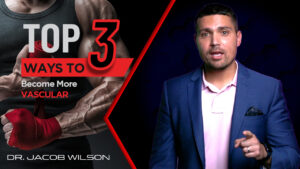
Dr. Jacob Wilson will go over the top 3 research-based ways that bodybuilders can use to become more vascular.
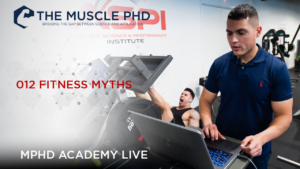
In this video, we will be discussing myths in the fitness industry and either busting them or confirming them